Tensions have once again arisen in Catalonia over the approval of the regional budget. For residents, this could mean potential delays in funding for healthcare, education, and social programs. The decisions currently being made in parliament directly impact the quality of life for millions and will determine how public funds are allocated in the coming months.
Political disagreements
Catalan President Salvador Illa finds himself in a difficult position after the Esquerra Republicana (ERC) party refused to continue budget negotiations. Despite this, the head of government remains confident and insists on the need to approve new financial plans. However, as El Pais reports, the chances of passing the budget in the first quarter of the year are rapidly diminishing.
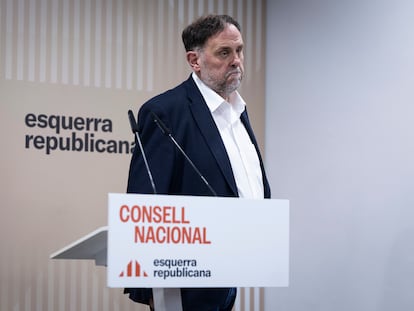
While Illa’s team shows determination and urgency, ERC representatives remain calm and wait-and-see. Republican leader Oriol Junqueras recalled past agreements with the Socialists and expressed gratitude for Illa’s willingness to delegate some tax authority. However, he emphasized that he expects concrete steps from PSOE before resuming budget discussions. As this has not yet happened, ERC has proposed considering temporary measures—such as additional credit lines, as was done last year.
Possible scenarios
The Catalan government is in no hurry to discuss compromise options, preferring to follow the official stance of Illa and his deputy Albert Dalmau. Authorities state they are ready to make every effort to approve the budget, but are no longer specifying exact deadlines. For Illa, having his own financial document is crucial to avoid depending on last year’s restrictions and to gain more freedom in managing the region.
Last year, the government had to vote three times for additional allocations totaling 4 billion euros. The first portion, more than 2 billion, supported spending on healthcare and education. ERC insisted on splitting the vote to emphasize its independence from the Socialists and reap political benefits. As a result, the Republicans secured an increase in funding for the Catalan tax agency to prepare it for managing income tax.
Impact on Catalans
The Comuns party, led by Jéssica Albiach, also managed to secure 850 million euros for housing and more than 13 million for dental programs. However, the lack of a unified budget creates uncertainty for everyone involved in the process and could lead to delays in implementing important initiatives.
The situation is reminiscent of recent events in other regions of Spain, when emergency government decisions allowed resources to be quickly allocated to mitigate the aftermath of natural disasters. For example, swift mobilization of funds for Andalusia demonstrated how quick consensus between political forces can change the situation for entire regions.
Context and consequences
In Catalonia, 41 out of 135 deputies currently support the Illa government, making any negotiations especially challenging. Without backing from ERC and other factions, approving the budget becomes nearly impossible. If the process drags on, the region will have to rely once again on temporary financial measures, limiting opportunities for growth and the implementation of new projects.
In recent years, Spain has repeatedly faced difficulties in passing budgets at various levels of government. In 2024, similar issues emerged in Madrid and Valencia, where political disagreements led to delays in fund allocation. Such situations are usually accompanied by interim measures—extra loans and partial appropriations—which reduce administrative efficiency and spark public dissatisfaction.