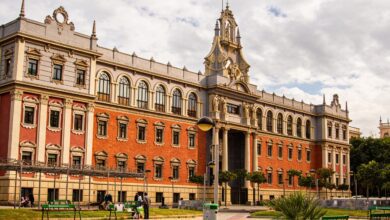
Starting today, new regulations come into effect in Catalonia for residents of areas at risk due to the outbreak of African swine fever. Now, in the so-called second perimeter — an area within a 6 to 20 kilometer radius from the infection epicenter in Cerdanyola — individual access to natural areas for walking and sports is once again permitted. Until now, these territories had been completely closed to the public, which affected residents of Barcelona, Badalona, L’Hospitalet, and dozens of other municipalities.
However, despite these relaxations, all organized outdoor events are still banned in this same second perimeter. Authorities emphasize that only individual activities are allowed — mass gatherings, excursions, and group workouts remain prohibited. In the first perimeter, a 6-kilometer zone around the outbreak, all restrictions remain fully in place. This applies to about a dozen localities where the situation remains most critical.
Restrictions and measures
Catalonia’s Minister of Agriculture, Òscar Ordeig, has urged residents to stay cautious and follow all current rules. He reminded the public that any violations could lead to further spread of the virus and stricter measures. Authorities continue to closely monitor the situation and do not rule out a return to tougher restrictions if the epidemiological situation worsens.
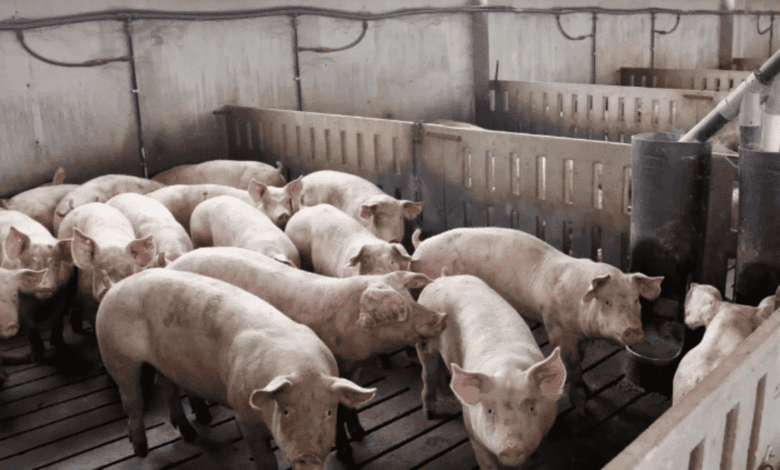
An outbreak of African swine fever in Collserola has resulted in the deaths of 13 wild boars and the closure of local markets. To support farmers and businesses affected by the epidemic, the Catalan government has approved a financial aid package worth 10 million euros, with the possibility of increasing it to 20 million. In addition, a special fund of 50 million euros—previously used to address the aftermath of natural disasters—has been activated.
Investigation into the causes
Alongside the introduction of new measures, an investigation into the causes of the outbreak is underway. The court in Cerdanyola has launched an inquiry into a possible virus leak from the CReSA laboratory, located in close proximity to the site where the first infected animal was found. According to information obtained by the biosafety commission, experiments with this pathogen were being conducted at the laboratory during that period.
The first carcass of an infected wild boar was found on November 28, just a few hundred meters from the laboratory complex, which had reportedly been under reconstruction since mid-September. Documents provided to the commission indicate that at the time, the laboratory was working with the African swine fever virus. This has raised questions among investigators and the public about whether all necessary safety protocols were observed.
Response and support
The Catalan authorities emphasize that the situation is under control and that all decisions are being made based on expert recommendations and with the interests of local residents in mind. Residents in the secondary perimeter are advised to remain vigilant and not to neglect sanitary requirements, in order to prevent new outbreaks.
In the coming weeks, additional inspections are planned at farms and in natural areas to ensure there are no new cases of infection. If the situation worsens, restrictions may be tightened again. For now, residents of Barcelona and nearby towns have been allowed to resume their usual outdoor walks, but only individually and in compliance with all regulations.