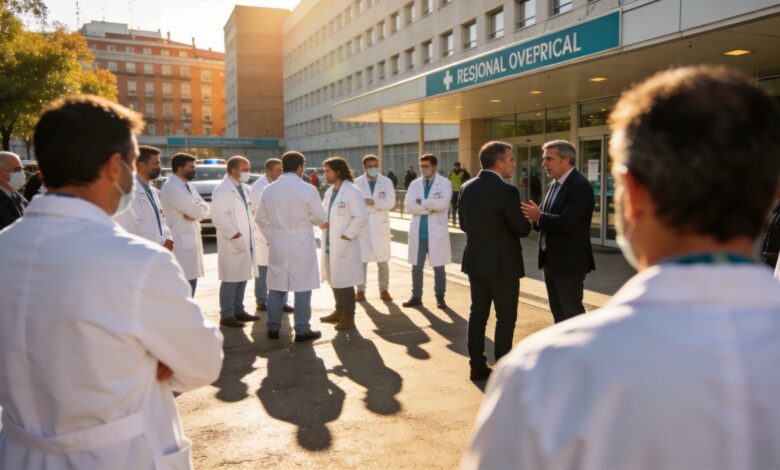
In recent weeks, Catalonia has become the center of large-scale protests impacting key sectors—education and healthcare. For local residents, this is more than just another wave of discontent: it is about the future quality of life, access to essential services, and the stability of the social system. Hundreds of doctors and teachers have taken to the streets to draw attention to longstanding problems that now threaten the entire system’s resilience.
The root causes of the unrest lie in years of wage cuts and declining working conditions that began after the 2008 crisis. As El Pais notes, schools and hospitals across the region have seen a steady rise in workload for staff, yet funding and support have failed to keep pace. Educational institutions report a growing number of children with special needs, especially from migrant families, but the teaching staff has not expanded accordingly. The healthcare sector faces a similar situation: longer life expectancy and population growth have put persistent pressure on doctors and nurses.
Demands and negotiations
In the education sector, the Catalan government recently reached an agreement with the CC OO and UGT unions to improve student-teacher ratios and provide additional resources to support diversity. However, the largest union, USTEC, considers the proposed salaries inadequate and continues to organize mass protests. In the healthcare sector, negotiations have not even started yet. Doctors are demanding a separate status and higher pay, but some of these issues depend on decisions at the national level, not just by regional authorities.
Among the demands of healthcare workers are not only salary increases but also a review of work organization, including shift schedules. According to El Pais, these matters fall under the jurisdiction of the Catalonia Department of Health but have so far received little response. Economists emphasize that raising salaries in public services could drive the entire economy, as it boosts consumption and increases tax revenues.
Impact on society
The situation in Catalonia reflects a broader trend across Spain: wages in industry remain higher, but this sector no longer dominates the labor market. Most people are employed in the service sector, where pay and working conditions often fall short of industrial standards. This leads to rising poverty and a decrease in purchasing power for the middle class. As El Pais reports, if the approach to funding and supporting workers in education and healthcare is not changed, the quality of these services and the stability of the entire social welfare system could be at risk.
Issues of wage increases and improved working conditions are becoming central to the country’s future. Analysis from russpain.com indicates that similar protests have already led to policy changes in other regions, as well as increased public pressure on authorities. It is worth noting that in the recent past, disputes between various political forces over social support and labor market regulation have already caused delays in decision-making, as was the case during the discussion of anti-crisis measures in the Council of Ministers.
Context and ramifications
Experts emphasize that raising salaries in the public sector is not just increased spending, but an investment in the future. Higher incomes for education and healthcare workers can stimulate the economy, improve quality of life, and reduce social tension. At the same time, ignoring these demands may further worsen the situation, increase dissatisfaction, and trigger new waves of protests.
In recent years, Spain has already faced mass strikes across various sectors, including transport and services. For example, in 2024, major protests by transport workers led to temporary disruptions in public transport operations in Madrid and Barcelona. Similar actions took place among hotel staff and elder care workers. These events demonstrated that collective action can influence government decisions and shift budget priorities. Amid ongoing pressure on social services, attention to the demands of education and healthcare workers is becoming increasingly relevant nationwide.