Catalonia is becoming a pioneer among Spanish regions as it launches the national plan to introduce artificial intelligence into the healthcare system. In the coming months, a large-scale modernization of medical facilities will begin here, with 27 million euros allocated for this purpose. This move ushers in a new era for patients and doctors, promising to make healthcare more accurate, faster, and personalized.
As part of the Health Tech initiative, digital platforms for remote monitoring of chronic diseases will be introduced in the region. Patients will be able to transmit health data—such as blood pressure or sugar levels—directly from home. The system will analyze this information and, when necessary, instantly alert medical teams to help prevent complications and reduce hospital admissions.
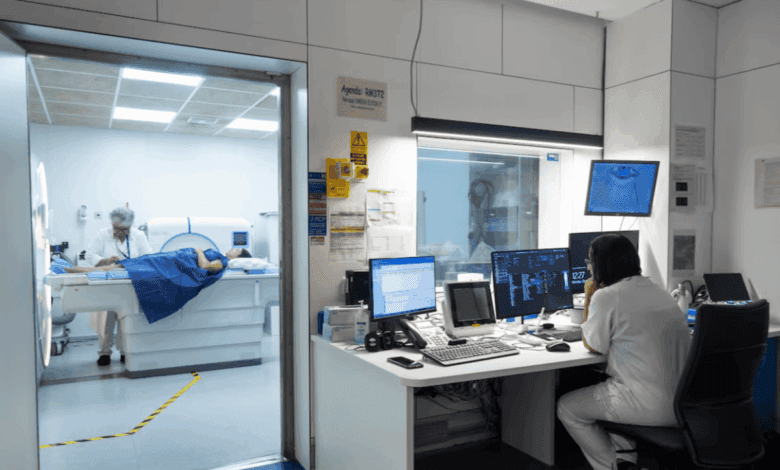
Special attention is being paid to the creation of a unified national database of medical images. This will allow doctors across the country to access patient examination results, even if treatment is taking place outside the patient’s home region. This approach will not only speed up diagnosis, but also enable the use of large datasets to train neural networks, improving the accuracy of disease detection.
Artificial intelligence will also be introduced into management processes. The new algorithms are expected to help optimize appointment queues, automate surgery scheduling, and balance the workload among family doctors. For example, the system will be able to take into account which patients seek medical help more often, distributing them among specialists so that each doctor has an even workload.
Technology will also be used to analyze medical histories and detect potentially dangerous drug interactions. The software will monitor whether a patient exceeds the recommended duration of certain medications and promptly alert doctors. Additionally, artificial intelligence will assist in diagnosing rare diseases and assessing risks for patients with cancer or cardiovascular conditions.
The project is being implemented in cooperation with central authorities and other autonomous communities. Instead of simply transferring funds, the plan provides centralized management of procurements and resources, which will help reduce costs and ensure equal access to innovation across all regions. The remaining autonomous communities are set to join the program in the coming months, and the rollout is expected to be completed by summer 2026.