In 2026, the Barcelona Center of Contemporary Culture (CCCB) is preparing a packed program that promises to be one of the highlights of the city’s cultural life. Early in the year, visitors can look forward to a major exhibition dedicated to Mercè Rodoreda, followed by two major themes that will define the season: the phenomenon of beauty worship and the impact of the atomic age on modern society. Organizers promise not only exhibitions, but a whole series of events offering fresh perspectives on these topics.
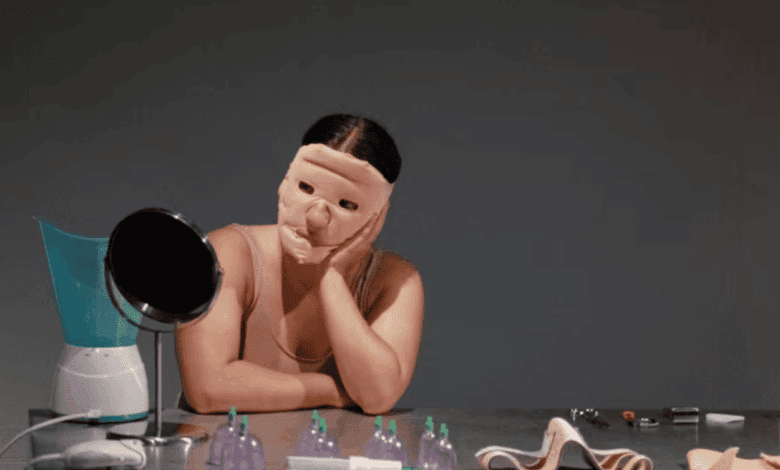
The first major theme is the cult of beauty. The exhibition explores how the concept of beauty has evolved over centuries, influenced by philosophy, art, science, and politics. Special attention is paid to the tension between traditional ideals and the desire to challenge them. Participants include artists and photographers from different countries such as William Hogarth, Angelica Dass, Laura Aguilar, Juno Calypso, Isidre Nonell, Colita, Maria Alcaide, the Ayllu collective, and Harriet Davey. The exhibition will run from May 20 to November 8, and is a collaboration with London’s Wellcome Collection.
The Atomic Age
The second key theme of the season is the atomic era. This section explores how nuclear energy has transformed the world, from the first detonation in 1945 to the present day, as issues of security and armament once again gain urgency. The exhibition will showcase around 250 works: paintings, graphics, photographs, videos, installations, as well as unique documents never before exhibited. Featured artists include Hélène de Beauvoir, Henri Becquerel, Eduardo Chillida, Salvador Dalí, Marcel Duchamp, Hilma af Klint, Yoko Ono, Joan Rabascall, and Nancy Spero. The project is being realized in collaboration with the Musée d’Art Moderne de Paris.
City and Migration
The city will also be a central topic in the CCCB’s agenda. Throughout the year, there will be lectures and discussions on tourism, urbanism, and architecture. Special focus will be given to the “Territories of Tourism” series, as well as events dedicated to architect Josep Lluís Sert. Migration will also be in the spotlight, with programs planned about the lives of immigrants in Catalonia and the influence of African diasporas on urban culture.
CCCB will also host visits from international writers, offer residencies for young authors and artists, and prepare special projects for teenagers and young people. Among them are the exhibition “We Are 17” and the Bivac festival, both giving young participants a chance to express themselves and engage with contemporary art.
International cooperation
The entire 2026 program is built on principles of openness and support for local initiatives, while CCCB continues to develop its international connections. The project involves not only Spanish but also international artists, curators, and researchers. This once again cements Barcelona’s reputation as one of Europe’s leading cultural centers.
The program’s budget for 2026 amounts to 16.8 million euros. This funding will make it possible to carry out ambitious projects, attract new participants, and broaden the audience. Organizers emphasize that special attention will be given to interdisciplinary approaches and a diversity of perspectives.
New formats
At CCCB, the focus extends beyond exhibitions and lectures. The plans include interactive events, workshops, meet-and-greets with artists and writers, as well as educational programs for all age groups. Many of these events are expected to be available not only offline but also digitally, making it possible to reach an even wider audience.
In 2026, the Barcelona Center for Contemporary Culture will become a venue for discussion of the most pressing and relevant topics in art, science, and society. The program promises to be both dynamic and multifaceted, with the participation of renowned artists and experts lending it special significance.