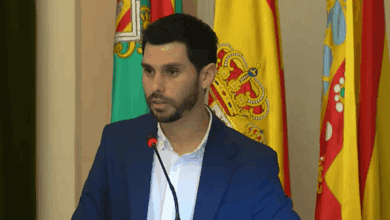
The question of where the main centenary celebration of the Generation of ’27 will be held has become the subject of a heated dispute between Málaga and the Ministry of Culture. For the people of Andalusia, this is not just a matter of prestige—it is about recognizing the region’s historical role in shaping one of Spain’s most brilliant literary movements. The ministry’s decision to exclude Málaga from the center of the anniversary events sparked a strong reaction and raised doubts about the fairness of distributing cultural initiatives.
Historical roots
Málaga has always been an integral part of the Generation of ’27’s history. Notable figures such as Federico García Lorca, who spent his summers at La Caleta beach, and Dámaso Alonso, who maintained close ties with local poets, created and relaxed here. Key cultural projects were born in Málaga—like the magazine Litoral and the Sur printing house—where future literary classics were published. This circle also included María Zambrano, Luis Cernuda, and José Moreno Villa. Nevertheless, the Ministry of Culture chose not to include the province among the main anniversary organizers, puzzling the local authorities.
Malaga’s provincial administration has taken an active role. The province has invested over one and a half million euros to restore the Valdeflores Palace, located in the heart of the city. This historic 18th-century mansion is now ready to host literary evenings, exhibitions, and conferences dedicated to the anniversary. Provincial administration president Francisco Salado has openly called on Minister Ernest Urtasun to reconsider the decision and recognize Malaga as the main site for the celebration.
Open conflict
Tensions escalated after the national commission organizing the anniversary, led by the minister himself, initially excluded all Malaga-based organizations except the Maria Zambrano Foundation. Later, after the commission’s official composition was confirmed, the city and provincial administrations were included, but other important cultural centers were left out. Among them are the Generation of ’27 Center, Litoral magazine, and the municipality of Torremolinos, where the magazine was founded.
Francisco Salado does not hide his disappointment. He emphasizes that Malaga was the true launching point for the Generation of ’27, even before the movement received its official name in Seville. Thanks to local initiatives, the works of Lorca, Cernuda, and Prados were first published. Malaga was also the first to organize a tribute to Góngora, bringing together not only poets but also musicians and artists, including Picasso and Dalí.
A cultural center for the future
The restored Palacio de Valdeflores is set to become more than just a venue for events—it will be a true cultural center, open to all forms of art. The plan includes not only literary evenings, but also exhibitions, musical performances, and scientific conferences. According to Salado, Málaga began preparing for the anniversary well ahead of other regions by launching a special program last year.
The province expects that in the coming months, the palace at Calle Carretería 60 will become a vibrant space for meetings, research, and creativity. Local authorities are confident that only Málaga can truly embody the spirit of openness and cultural diversity that defined the Generation of ’27.
Financial disagreements
The ministry’s refusal to recognize Málaga as the main center of the anniversary celebration was not the first source of conflict. Previously, the city had already faced difficulties securing funding for the construction of a new concert hall costing over 200 million euros. The Ministry of Culture declined to allocate the requested funds, citing other priorities, forcing the municipality to seek loans and sponsors independently.
At the same time, the ministry focused its resources on renovating the former San Agustín monastery, converting it into a state library. These decisions have only deepened the sense of injustice among Málaga residents, who feel that their contribution to national culture is undervalued.
In recent years, such disputes between regional and central authorities have become increasingly frequent. In 2024, a similar conflict erupted over the allocation of funds for the restoration of historical monuments in Castilla y León. At that time, local authorities also accused the ministry of ignoring regional initiatives. In 2025, the issue of Valencia’s status as the center for celebrating the centenary of the local art movement was discussed, leading to prolonged negotiations and revisions of existing plans. These cases show that the struggle for cultural leadership and recognition remains a relevant issue for many Spanish regions.