The situation in Molezuelas de la Carballeda has become an example of how a local conflict can impact life across an entire municipality. The issue of cows roaming freely through the village streets has affected not only the interests of individual residents, but has also raised questions about existing regulations for the use of public and private land. The consequences of this dispute could resonate in other rural regions of Spain, where such matters remain unresolved.
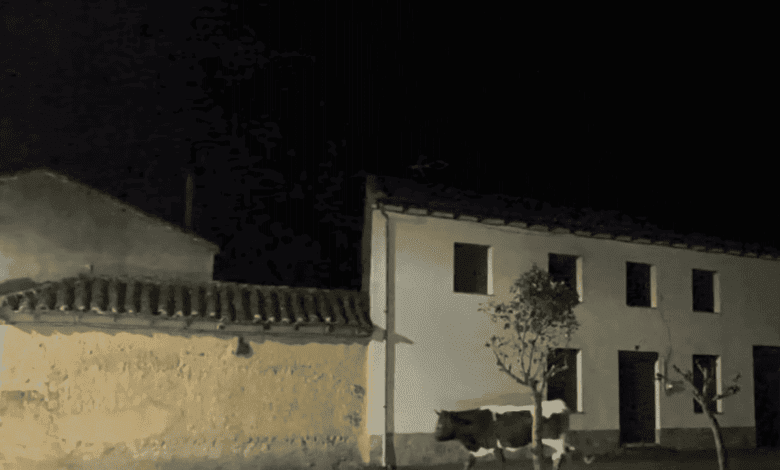
Since last September, a real fight for order has erupted in this small settlement of just 46 residents. Cows owned by a local farmer have begun regularly appearing in the village center, sparking concern and frustration among locals. Over several months, 24 people filed official complaints against the livestock owner. In response, the presence of the Civil Guard intensified, and local authorities began considering possible measures.
Legal gaps
One of the key problems is the lack of municipal regulations governing pasture use and the movement of livestock. Court proceedings revealed that while some pastures had in fact been leased to the farmer, many of the areas traversed by the cows belong to the municipality or to private individuals. Some of these lands were recently damaged by fires, further escalating tensions between the parties.
The judge noted that the lack of clear municipal regulations created a legal vacuum that the farmer took advantage of. At the same time, the cattle owner’s attempt to accuse the mayor of abuse of power and other violations was unsuccessful—the court rejected the counterclaim. As a result, both sides found themselves in a situation where neither could achieve the desired outcome without the adoption of new rules.
Accusations and fears
Residents claim that the cows not only spoil the appearance of the village, but also pose a threat to health and safety. Complaints mention that the animals leave manure on the streets, eat shrubs, olive trees, and even damage festive decorations. Some people are afraid to leave their homes, fearing encounters with large cattle.
There is particular concern about the fact that cows pass by the water intake area, which supplies drinking water. The mayor points out that manure getting into the soil near the reservoir could cause serious water quality issues. This has become one of the main arguments for tightening the control over the movement of the animals.
The farmer’s perspective
The herd owner insists on his right to use the land for grazing, citing current pasture regulations. He claims to rent the necessary plots or has received permission from other residents. However, his statements contradict each other: on one hand, he demands that dissatisfied locals should fence off their own plots if they don’t want cows there; on the other, he admits he has enough land so he doesn’t need to drive his animals through the village.
The farmer also accuses his neighbors of deliberately herding cows into the village center at night to record videos and use them as evidence for new complaints. This mutual suspicion only intensifies the tension and hinders any compromise.
Authorities intervene
In January of this year, the water authority ordered the farmer to remove the fence he had installed near the reservoir, threatening a fine of €2,500. The local administration also notified European authorities about possible violations in receiving agricultural subsidies. In particular, some plots declared under the farmer support program actually belong to the municipality and were not officially transferred for use.
So far, neither side is willing to back down. Residents keep insisting on clear regulations, while the farmer threatens to challenge any new decrees if adopted without his involvement. Intervention from regional and national bodies is becoming increasingly likely, as the situation in Molézuelas de la Carballeda could set a precedent for other rural municipalities.
Context and Similar Cases
In recent years, Spain has seen a rise in conflicts between rural residents and livestock owners due to the lack of clear rules for using public and private land. In some regions, similar disputes have led to temporary bans on grazing or the introduction of new municipal regulations. In 2024, Galicia and Andalusia already reported cases where free-range livestock sparked widespread complaints and interventions from health authorities. Such situations often prompt a review of local regulations and discussions at the level of autonomous communities. The issue of balancing traditional rural life with modern safety and sanitation requirements remains unresolved for many Spanish villages.