A new debate over urban space is heating up in Madrid: contemporary art has unexpectedly become a mirror reflecting the city’s most pressing issues. An exhibition dedicated to metropolitan life draws attention not only to gentrification and migration, but also prompts reflection on how everyday details reveal broader global shifts. For city residents, this is more than just an exhibition — it’s an opportunity to see familiar streets through new eyes and reconsider their own place in an evolving environment.
The city as a stage
The focus is not just on large canvases and installations, but on the tiny details that usually go unnoticed. An ordinary store purchase turns into a symbol of the absurdity of urban life: a cashier hands the customer two tiny burgundy bags, each barely big enough for a single item. A packaging order mistake becomes a metaphor for an entire generation forced to adapt to ridiculous circumstances. These small stories, filled with irony and gentle melancholy, weave into a larger narrative about how the city can both belittle and inspire.
Shifting from personal observations to public phenomena, the exhibition shows how art can spotlight painful issues. Work by participating artists directly addresses questions of ownership, neocolonialism, and the crisis of identity. Each piece is not only an aesthetic object, but also a social commentary that cannot be ignored.
Art and Business
The exhibition organizers emphasize that art can serve not only as a means of expression, but also as a tool for discussing corporate practices. The collection, put together with the support of a major company, annually highlights artists whose works address issues connected to real urban life: from housing problems to environmental paradoxes. In this context, art becomes a kind of mediator between residents and those shaping the face of the metropolis.
Particular attention is paid to the language used to describe the exhibits. Curators employ complex phrasing and poetic turns of speech, transforming even the most acute problems into almost magical images. Terms like “zones of tension” or “utopia of progress” sound both enigmatic and detached, creating the sense that behind the beautiful words lies something much more unsettling.
A View from Above
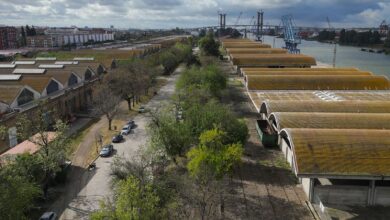
Many works are based on visualizing the city from above—as if the viewer is looking at a map, where each district becomes its own story. This approach highlights the distance between decision-makers and those living with the consequences. Photographs and installations seem to invite reflection: who really runs the city, and how does its appearance change under the influence of outside forces?
The layout of the exhibition resembles an educational project: themes are divided into sections, each dedicated to a specific aspect of urban life. These include ‘ecological paradoxes,’ ‘human archaeology,’ and ‘everyday spaces.’ This approach allows visitors not only to see but also to feel how the different layers of the city intertwine.
The Poetics of Urbanism
A special focus in the exhibit is the language used for description — it is filled with euphemisms and metaphors that soften even the harshest realities. Hints replace direct accusations, and gentle irony stands in for outright protest. This creates an atmosphere where the visitor is encouraged to find answers to uncomfortable questions on their own.
All this unfolds against the backdrop of giant billboards that remind us: there is life beyond the M-30 as well. But what kind of life is it, and who defines it? The exhibition does not provide clear answers, but invites reflection on how the city shapes its residents — and how those residents might shape the city’s future.
In recent years, projects in Spain increasingly use art to address pressing social issues. Exhibitions in Barcelona and Valencia have focused on urbanization and migration, where artists offer unexpected perspectives on familiar realities. These initiatives create a platform for dialogue between different segments of society and encourage a new understanding of art’s role in urban life. Such events not only broaden the cultural landscape, but also help foster a more conscious attitude toward the surrounding environment.