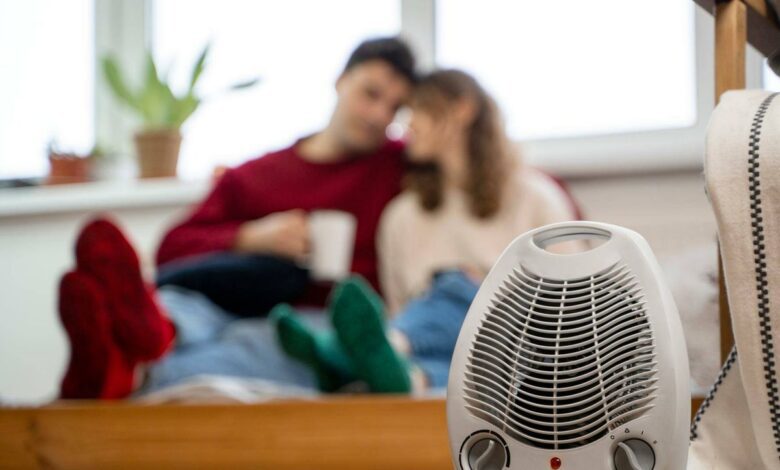
The Popularity of Electric Radiators in Spanish Homes
As temperatures drop, residents of Spain are increasingly turning to electric radiators to keep their homes comfortable. These devices are especially sought after in apartments and houses without central heating or stationary systems. Their easy installation and mobility make them a convenient solution for temporary or additional heating.
However, along with convenience comes a question: how economical is it to use such devices throughout the entire heating season? Many apartment owners face noticeably higher electricity bills when radiators run for several hours each day.
Power Consumption and Device Features
Electric radiators generally have a capacity of about 2,000 watts (2 kW), which allows them to efficiently heat rooms up to 15 square meters. All the electricity consumed is converted into heat, offering a high efficiency rate. However, the final cost depends not only on power but also on the duration of use and the quality of the home’s insulation.
If you use a mid-power radiator for four hours a day, you will spend about 8 kWh daily. With the average electricity price in Spain at around €0.14 per kWh, the daily expense will be about €1.12. Over a month, this can add up to more than €33, unless additional savings measures are taken.
Comparison with other types of heating
In addition to radiators, Spanish homes often use convectors and fan heaters. Their power is typically similar—around 2,000 watts. Convectors gradually heat the air and operate almost silently, while fan heaters provide rapid warming thanks to a built-in fan. Despite the different operating principles, both types of devices consume roughly the same amount of electricity under similar usage conditions.
On average, running any of these devices for an hour costs between €0.28 and €0.50, depending on tariffs and usage mode. If used for long periods, expenses can increase significantly, especially if the house has poor insulation or windows and doors let in cold air.
How to reduce heating expenses
To avoid unnecessary expenses, experts recommend turning on radiators only in rooms that are actually occupied, and, if possible, using them during hours with lower electricity rates. It’s also important to check the condition of windows and doors—even small gaps can result in significant heat loss and increase heater runtimes.
Additional measures, such as using heavy curtains, carpets, and weatherstripping, help retain heat indoors and reduce electricity consumption. As a result, you can achieve a comfortable temperature without a significant increase in utility costs.