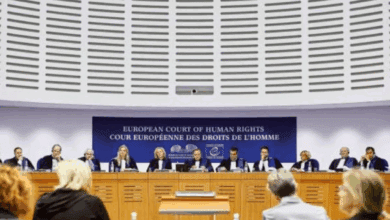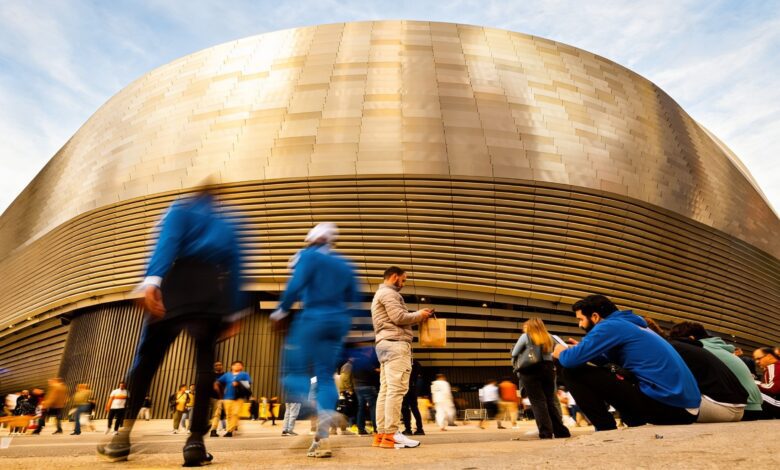
The court’s decision to uphold the ban on building parking lots near the Santiago Bernabéu stadium has come as an unexpected blow to both city authorities and Real Madrid. This move directly impacts development plans for infrastructure in one of Madrid’s busiest districts. For residents of the capital, issues of parking and transport accessibility have always been pressing, and now the situation has become even more complicated.
As reported by El Pais, the court rejected the appeal filed by Real Madrid and the Madrid City Hall, who were seeking to overturn the suspension of construction. The project planned for two large underground parking garages and a tunnel near the stadium, intended to ease traffic congestion on match days and during major events. However, construction has already been on hold for two years, and now the prospect of resuming work looks even less certain.
Reasons behind the decision
The legal proceedings began after a residents’ association near the Bernabéu filed a complaint against the project. Their main argument was the lack of public interest and that the plan mainly served the private interests of the club. The court upheld this view, indicating that the primary beneficiary of the construction would be Real Madrid, not the city community. Furthermore, it was revealed that the city ignored an expert report recommending a special preliminary plan for such large-scale works.
Another important aspect was that residents were not properly informed about the project details and were unable to voice their concerns. The court emphasized that such decisions must consider citizens’ opinions, especially when it comes to significant changes in the urban environment. This became one of the main reasons why construction was halted and now remains prohibited.
Potential consequences
Real Madrid and city authorities still have the option to file a cassation appeal with the Supreme Court. However, even if they exercise this right, the process could drag on for months or even years. During this period, the area around Bernabéu will continue to struggle with traffic issues, while residents will face a shortage of parking spaces and overcrowded streets.
The situation surrounding the project has sparked lively debate within the local community. Many see the court’s decision as an example of how residents’ interests can prevail over large commercial initiatives. At the same time, some locals fear that the lack of new parking will worsen traffic and parking problems around the stadium, especially on match and concert days.
Context and comparisons
In recent years, Madrid has repeatedly seen debates over major construction projects connected to changes in urban infrastructure. For instance, in 2025, a court also annulled a decision to introduce a new garbage collection fee, citing a lack of information provided to residents. Such cases demonstrate that the judiciary system is increasingly acting as a tool for overseeing government actions and protecting the interests of city residents.
As reported by El Pais, the situation with Bernabéu is not unique. In other districts of the capital and major cities of Spain, residents have also sought a review of projects they felt did not take their interests into account or were implemented without sufficient public discussion. This is shaping a new approach, where decisions about urban development increasingly reflect the opinions of local communities and are subject to judicial oversight.
In recent years, Spain has seen more cases of courts intervening in urban projects when procedural violations or lack of transparency are identified. For example, in 2024, a construction project for a new transport hub in Barcelona was suspended after residents complained about insufficient information and a lack of public hearings. In Valencia, a similar situation arose around the renovation of the central square, where the court required authorities to conduct additional consultations with the public. These examples show that court rulings are becoming an important instrument for regulating urban development and protecting citizens’ interests.