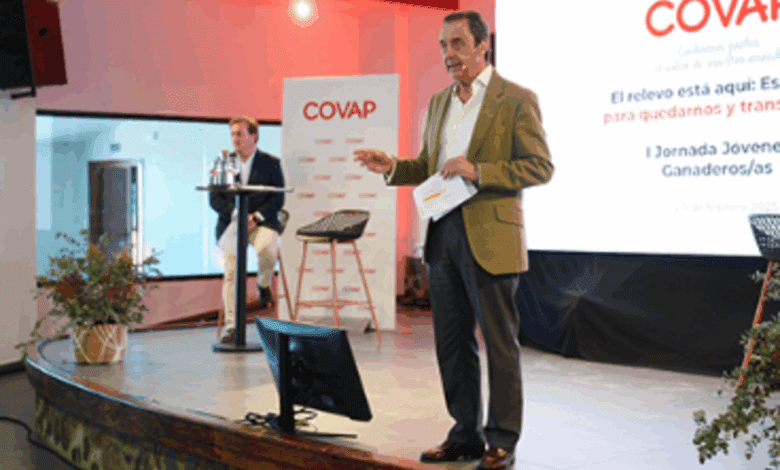
In 2026, Covap became one of the key companies for the economy of Andalusia and all of Spain. In recent years, the cooperative has not only increased its turnover to 1.013 billion euros, but also created nearly 14,500 jobs, accounting for more than 5% of all employment in the province of Cordoba. This growth impacts the lives of thousands of families and helps retain young people in rural areas, where population decline had previously been an issue.
As El Pais reports, Covap’s success is explained not only by the scale of its production, but also by its focus on people. Management believes that the unity and professionalism of the cooperative’s members have been the foundation for the region’s economic and social development. Over 67 years, the company has evolved from a small group of farmers into a major player in the dairy and meat market, all while preserving democratic management principles and maintaining a close connection to the local community.
Growth and Challenges
Covap is actively expanding its presence beyond Spain. The opening of branches in the USA and the UK has made it possible to establish direct relationships with international clients and improve the quality of supply. Within the country, the cooperative has acquired several enterprises, which helped boost production volumes and ensure stable supply of products.
However, with success come new challenges. Covap’s management points out that ongoing innovation, close attention to changes in consumer habits, and maintaining a high level of service for farmers are essential for further growth. The company employs a team of 40 specialists who assist cooperative members with livestock feed, subsidy applications, training, and environmental safety.
Innovation and Sustainability
In recent years, Covap has focused on sustainable development. The cooperative has invested in its own solar power plant, which supplies a quarter of its electricity needs, as well as in biomass and biogas. Today, the company sources 100% of its heat energy from renewables, and a new waste processing facility now produces gas for its own use and for transportation.
The cooperative plans to further develop biogas and transition to biomethane, so that its trucks can run on clean fuel. This strategy not only helps reduce CO₂ emissions, but also saves resources—especially relevant in the face of climate challenges and drought.
Social Role and Future
Covap places particular emphasis on supporting young farmers and implementing new technologies. Training programs, process automation, and the development of startups make agricultural work more appealing to younger generations. This not only helps to preserve jobs, but also raises the profession’s prestige in the eyes of the new generation.
Amid global competition and instability in world markets, the cooperative must respond quickly to change. Tariff issues, new technologies, and automation require constant attention. Even so, Covap remains committed to the principles of solidarity and internal democracy, setting it apart from many other companies in the sector.
In recent years, Spain has seen a marked increase in interest in sustainable development and the adoption of renewable energy in agriculture. Several major cooperatives in Galicia and Castilla have also started using biogas and solar power stations to cut costs and reduce emissions. In Andalusia, new projects have emerged to automate dairy farms and implement digital platforms for production management. These changes not only drive economic growth, but also strengthen rural areas in the face of demographic challenges.