The events surrounding the DANA tragedy still spark heated debate in Spanish society. Mistakes by the authorities and insufficient public information led to severe consequences for thousands of families. Questions about who should be held accountable remain unanswered, while the victims continue to seek justice.
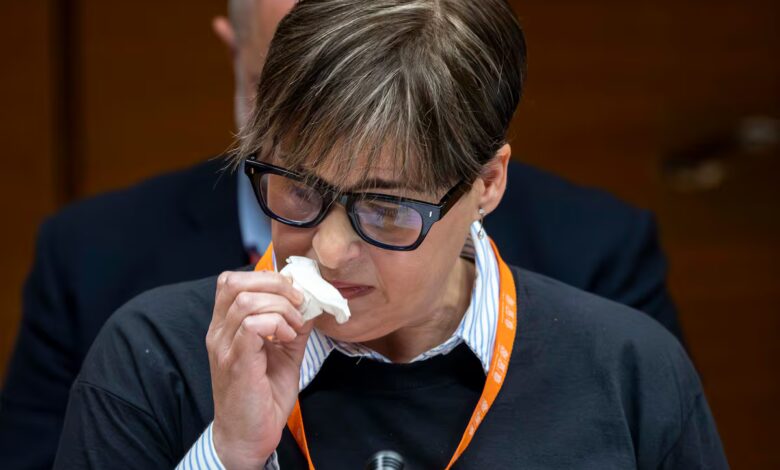
At a commission meeting in Les Corts Valencianes, representatives of DANA victims’ associations once again raised the issues of the ineffective warning system and poor coordination between various levels of government. According to them, the tragedy affected more than half a million people, and its consequences are still felt in the affected areas. Relatives of the deceased state that they are not looking for someone to blame, but demand a review of procedures to prevent such events from happening again.
Criticism of the authorities’ actions
Particular outrage was caused by the fact that former regional president Carlos Mazón has yet to testify in the case and still enjoys immunity. Victims’ representatives believe this undermines trust in the justice system. In their view, officials should be held responsible for their decisions, especially when lives and public safety are at stake.
The head of one of the victims’ associations, Alejandro Carabal, emphasized that the only way to restore justice for the victims is through a thorough investigation. He also pointed out that the former head of the region was given a new position, which is perceived as a reward rather than a punishment. Carabal insists on the need to establish a joint commission between different levels of government to develop effective response measures for such disasters.
Problems with alerts
Residents of the affected areas note that on the night of the tragedy, they had to protect their homes and deal with the aftermath on their own, without support from the authorities. According to them, help arrived too late, and many were left without even basic information about what was happening. Some believe that the Es Alert warning system does save lives, but messages need to be clearer and more timely.
Mònica Torres, a resident of Massanassa, spoke about the complete disorganization in the first days after the disaster. People were forced to watch over the safety of their homes themselves, as no support came from the municipalities. She believes the lack of clear instructions and assistance worsened the situation for many families.
Questions about official data
Another contentious issue is the disagreement over the official death toll. According to the head of Liberum, Concepción Cuevas, the authorities’ data does not reflect the true scale of the tragedy. She also believes that the central government should have taken charge of the operation and declared a state of emergency to speed up response efforts and improve coordination between services.
Cuevas expressed doubts about the effectiveness of the alert system, since not all residents received messages on their mobile phones. She is convinced that timely information could have saved more lives and reduced the damage.
The investigation continues
A parliamentary commission continues to hear from associations and individuals representing the victims. Sixteen months have passed since the tragedy, but many questions remain unresolved. People are waiting not only for explanations but also for concrete steps to improve the emergency response system.
As El Pais reports, similar disasters have occurred in Spain before. In recent years, the country has faced heavy rains and floods resulting in casualties and destruction. After each such event, the need to reform the alert system and enhance coordination between services comes under discussion. However, despite promises, real changes are slow in coming, and victims continue to demand justice and protection of their rights.