Spanish aviation is at the center of an unprecedented scandal that could reshape approaches to baggage control and security on international flights. The spotlight is on Plus Ultra, whose flights between Madrid and Malabo were used for more than four years to transport cash, drugs, and hazardous materials. A system that allowed bypassing standard inspections operated under a cover of legal documents but in reality undermined trust in Spain’s aviation security.
The core of the scheme was that baggage registered to unsuspecting passengers was passed off as personal belongings, even though its volume and contents required it to be treated as cargo. The operation was orchestrated by the Equatoguinean company Punta Europa Aviación, which lacked the necessary operator certificate but wielded influence over local authorities and maintained close ties with the country’s political leadership.
The covert scheme
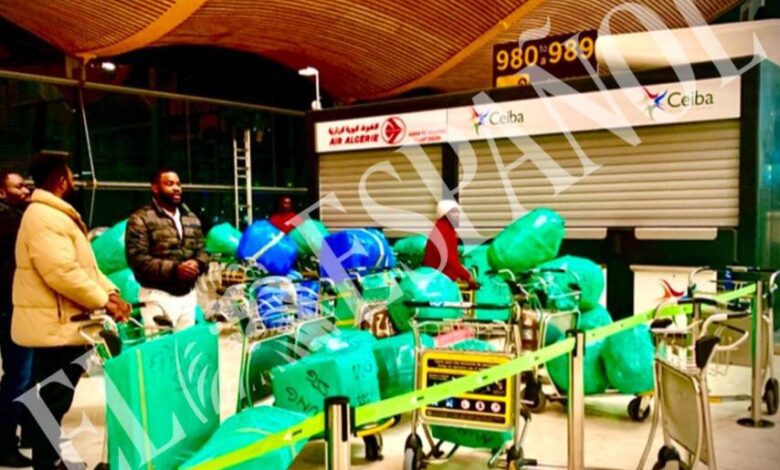
At Barajas airport, Punta Europa staff handled oversized bags that bypassed the cargo area and were loaded directly into Plus Ultra’s aircraft holds. Each flight generated between 30,000 and 60,000 euros, with passengers unaware that extra baggage allowances had been registered in their names. The entire operation relied on close coordination between Plus Ultra, Punta Europa, and intermediary Summerwind, which received a share for facilitating the baggage arrangements.
Despite repeated warnings from airport authorities and documented incidents involving hazardous cargo, the airline took no decisive action to halt the practice. Internal correspondence and complaints merely shifted responsibility to the Equatorial Guinean partners, while the scheme itself continued operating until November 2025.
Power and Influence
Personal connections between the Punta Europa management and the political elite of Equatorial Guinea played a crucial role in sustaining the scheme. The company’s president, trusted by the head of state Teodoro Obiang, provided the necessary protection and exerted pressure on local aviation authorities. As a result, Punta Europa operated for years without the required certification and infrastructure, and any attempts by Spanish authorities to intervene met strong resistance.
In Madrid, Punta Europa representatives set up their own baggage check-in counter, managed by the son of one of Obiang’s closest associates. All questionable cargo was processed here, and the intermediary Summerwind received a fee for every item of luggage, bypassing official procedures and taxes.
Response and Consequences
Spanish security agencies repeatedly documented violations, including the discovery of hazardous materials in luggage not registered to actual passengers. Despite this, Plus Ultra limited itself to formal complaints and did not sever ties with Punta Europa. Internal conflicts between Punta Europa and Summerwind only highlighted the scale of the business, but did not prevent the scheme from continuing.
The operation only ceased after the intervention of the economic police, when Plus Ultra offices were raided and several top executives were detained. Until that moment, the scheme ran almost seamlessly, with oversight from Spanish and Equatoguinean authorities remaining largely superficial.
Context and analogies
In recent years, Spain has already recorded incidents where legal flights were used to smuggle valuable or hazardous cargo. Such schemes often rely on corrupt connections and insufficient oversight by aviation and customs authorities. In 2024, a similar incident occurred on a flight from South America, where unsuspecting passengers had baggage checked in under their names that contained narcotics. That investigation led to stricter screening rules and revisions of baggage handling procedures. The new details in the Plus Ultra case could prompt further reforms in aviation security and cargo transport oversight.