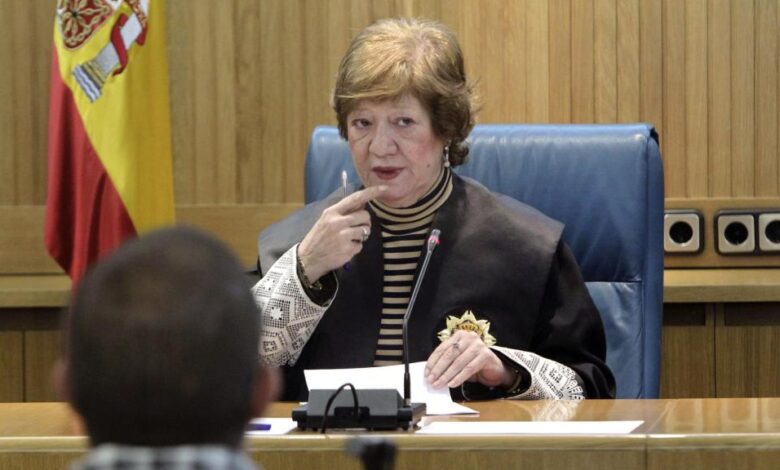
Ángela Murillo’s departure was an event that did not go unnoticed by Spain’s judicial system. Her name is associated with an era of change, when women began ascending to leading positions in authorities once considered an exclusively male domain. Murillo’s influence is still felt today: she not only opened doors for new generations but also set standards of independence and integrity now seen as essential for judges of the highest courts.
Murillo’s judicial career began in the early 1980s, when she took a post at a small court in Andalusia. Even then, colleagues noted her firmness and her ability to make decisions in difficult situations. Over the following decades, she rose from provincial courts to the very top—becoming the first woman in history to lead a section in the criminal chamber of the Audiencia Nacional. This step set a precedent that changed perceptions of women in the Spanish justice system.
Turning points
Murillo was involved in cases that shaped Spain’s political and public agenda. Among them were high-profile trials against Basque nationalist leaders, investigations of criminal organizations, and court hearings related to terrorism. Her name often made news headlines, and her decisions sparked heated debates among both professionals and the wider public.
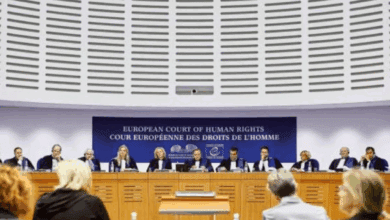
A pivotal moment in her career was the trial of Arnaldo Otegi, one of the most prominent figures in the Basque movement. In 2010, Murillo was removed from the case due to concerns over her impartiality, sparking a wave of criticism and debate. Later, the European Court of Human Rights ruled that the defendant’s rights had been violated, making this one of the most widely discussed episodes in recent Spanish legal practice.
Tough decisions
In 1993, Murillo became the reporting judge in the so-called ‘caso Nécora’—a landmark case in Spain’s fight against drug trafficking. This trial became a symbol of Spanish judges’ determination to confront organized crime. In 2005, she presided over hearings regarding the first ‘Al-Qaeda’ cell in Spain, posing a new challenge for the country’s judicial system.
In the final years of her career, Murillo oversaw the trial of former police commissioner José Manuel Villarejo. Her firm stance against delaying tactics and attempts to exert pressure on the court set an example for her colleagues. She repeatedly emphasized that she never yielded to political influence and always acted solely in the interests of the law.
Legacy and change
Murillo retired in September 2024, concluding a career of more than forty years in the judicial system. Her departure sparked discussions on the role of women in Spanish justice and on how judicial standards have evolved in recent decades. Many note that thanks to figures like Murillo, Spain’s judiciary has become more open and independent.
Murillo’s death has sparked a wave of reflection on other high-profile events in Spain’s judicial history. In recent years, the country has gone through several landmark trials related to corruption, terrorism, and political conflicts. Each case has prompted a reassessment of justice and debate over the need for judicial reforms. The rise of women to key positions in the courts stands out as one of the most significant changes, and Murillo’s contribution to this process cannot be overstated.