The early elections in Aragon became a pivotal event for all of Spain, as their outcome could influence the country’s political map and set new trends for other autonomous regions. The decision to hold snap elections was made amid rising tensions between parties and shifting demographic dynamics. Issues such as rural development, financial allocation, and social support have become especially pressing, while uncertainty around future coalitions only fuels public interest.
Polling stations opened across the region early in the morning. Residents of Aragón are choosing not only the next president of the autonomous community but also deciding the composition of the local parliament for the coming years. This time, voters from diverse generations came to cast their ballots: from first-time young voters to elderly citizens for whom participating in elections is a tradition. Every vote could prove decisive, as no party can expect an absolute majority without support from allies.
New challenges
This time, the power struggle is complicated not only by competition between national and regional parties, but also by the need to consider the interests of rural areas, which are increasingly becoming a subject of political debate. Issues of funding, infrastructure, and social support for small towns are taking center stage. Many candidates are building their campaigns around promises to change the approach to provincial development, which sparks lively discussions among residents.
Special attention is being paid to how parliamentary seats will be distributed. To form a stable government, 34 out of 67 seats are required, and none of the political forces can reach this number on their own. This means that after the polls close, a complicated process of negotiations and search for compromise between parties will begin—parties that often hold opposing views on key issues.
Political alliances
In the previous elections held in 2023, Partido Popular took the lead, yet even then the party failed to secure an absolute majority. The same situation is repeating now: neither side can hope for victory without the support of other factions. This opens the door for unexpected alliances and political maneuvers that could shift the usual balance of power in the region.
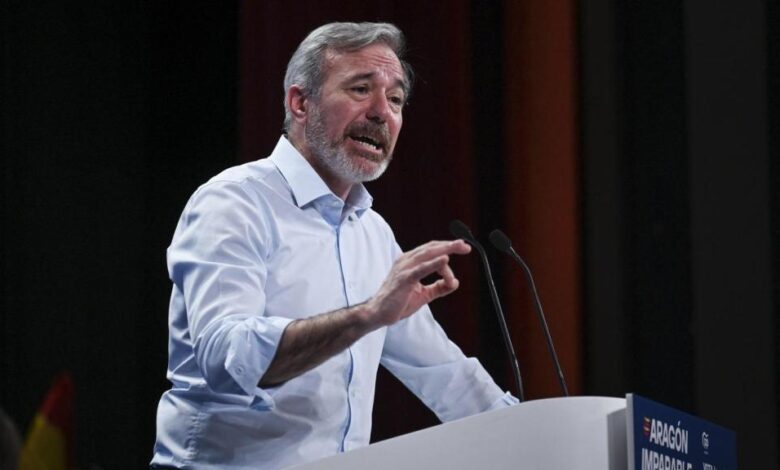
The decision to hold early elections was made by the president of the autonomous region, Jorge Azcón, amid escalating disagreements within the parliament. This move is rarely seen in Spain, especially when elections do not coincide with similar processes in other regions. However, internal conflicts and the weakening of previous coalitions have forced Aragón’s leadership to seek new ways to consolidate power and renew the political agenda.
Every vote counts
On this day, polling stations bring together people with diverse backgrounds and views. Young voters, such as Claudia Gascón, are taking part in shaping the region’s future for the first time. At the same time, older residents like José María Robles recall dozens of previous elections and note how society’s priorities have changed over the years. For many, voting is not only a civic duty but also a way to express their attitude toward the changes happening in Aragón.
Polling stations operate as usual, with doors open from 9 a.m. to 8 p.m. After that time, only those already inside will be able to cast their ballots. This organization ensures transparency and equal conditions for all participants. A high turnout is expected throughout the day, as the stakes are particularly high this time.
Context and consequences
The snap elections in Aragon are taking place amid fierce debates about the region’s future. Issues such as rural development, budget allocation, and social policy are sparking heated discussions not only among politicians, but also within society. The outcome of the vote may lead to the formation of new coalitions, changing the balance of power in parliament and influencing the region’s future trajectory.
In recent years, early elections in Spain’s autonomous communities have become increasingly common. Similar situations have already occurred in Madrid and Catalonia, where internal disputes and disagreements between parties made a change of government necessary. Each time, these events have been accompanied by vibrant debates, complex negotiations, and unexpected political alliances. The results of such elections often mark the starting point for major changes in regional politics and impact the national agenda.