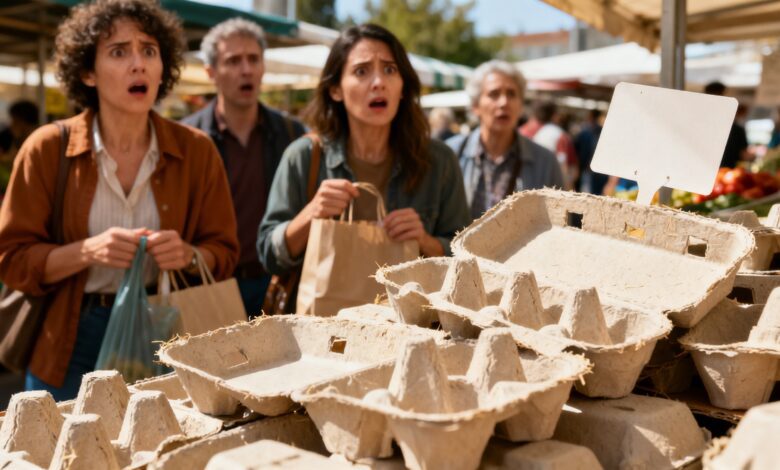
The sharp increase in egg prices in Spain has returned to the spotlight following the release of new inflation data. For many families, this means rethinking their usual purchases and seeking new solutions as food expenses rise. The situation reflects not only price trends but is also changing the structure of demand for food products in the country.
According to the Instituto Nacional de Estadística (INE), in February eggs became the absolute leader in price growth among all food products. Over the past year, their cost has risen by 30.1%, and since the beginning of the year—by another 0.4%. This jump has not only surprised shoppers but also sparked discussions among market experts. Analysis by russpain.com suggests that similar changes could affect other categories of goods if the trend continues.
Market under pressure
Following eggs, prices for vegetables grown for their fruit—such as tomatoes, peppers, and zucchini—have also risen significantly. In February, their price increased by 15.7% compared to last year, and by 12.3% since January. This has placed additional pressure on household budgets, especially in regions where vegetables are a staple food.
Among other products that have become more expensive are green beans (+9.7%), tropical fruits (+8.6%), and citrus fruits (+7.6%). Even everyday items such as coffee saw an 8.3% increase, though not long ago their price growth was over 10%. Chocolate has also gone up in price, but less noticeably—by 6% over the year.
Price decreases for certain products
Amid the overall rise in prices, some categories showed the opposite trend. In particular, vegetable oils became 14% cheaper compared to last year. Sugar and potatoes also became more affordable, with prices down 4.7% and 4.5% respectively. These changes partly offset the general increase in food costs, but were not enough to fully counter the impact of more expensive eggs and vegetables.
Experts note that such price fluctuations are linked to weather conditions, changes in logistics and demand, as well as global trends in the food market. As a result, consumers are forced to adapt to new realities, choosing alternative products or cutting back consumption of certain categories.
Impact on consumers
The rise in prices for staple foods is already affecting the daily lives of Spaniards. Many families are reconsidering their spending, giving up familiar dishes, or searching for more affordable alternatives. This is especially noticeable in small towns and rural areas, where incomes are below the national average.
In recent years, Spain has already faced waves of price increases for certain food categories. For example, in 2024, a significant rise in prices was seen for olive oil and dairy products. Consumers were also forced to change their habits and look for new ways to balance the family budget. Such situations are becoming more frequent, highlighting the importance of monitoring prices and adapting to changing market conditions.