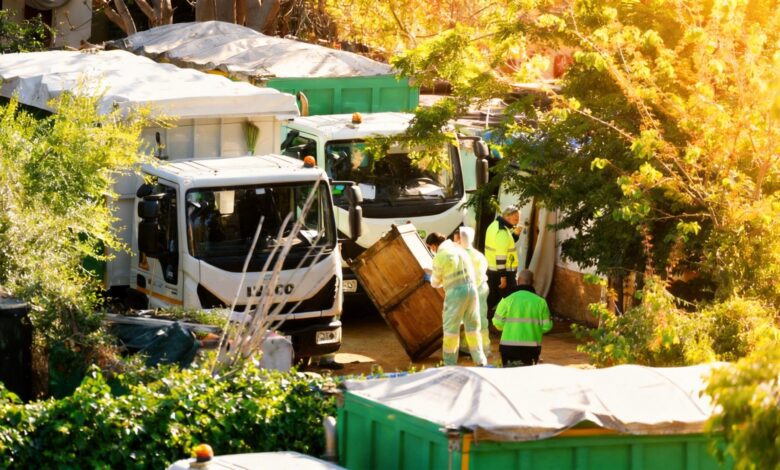
On Wednesday morning in Barcelona, authorities carried out an urgent demolition of two informal settlements under the Treball Digne bridge in the Sant Andreu district. This measure became necessary after firefighters identified a serious threat to the lives of dozens of people living in makeshift shelters. The situation grew especially acute following a string of recent fires in other parts of the city, prompting municipal services to act rapidly.
According to El Pais, the number of temporary structures in this area began to increase after other camps under the Calatrava bridge were cleared in November last year. About thirty people were then forced to look for new places to live, and many moved to the Treball Digne bridge. Over several months, the settlement grew, leading to greater risks for both its residents and the surrounding community.
Causes and consequences
The main reason for the emergency operation was the firefighters’ assessment, which confirmed a high level of danger to people staying in these temporary shelters. Experts reported that any delay could have led to tragic consequences. City officials emphasize that the decision to demolish was driven not only by fire risk, but also by the need to ensure safety and sanitary conditions in the area.
The operation to dismantle the camp involved the participation of the Guardia Urbana and Mossos d’Esquadra. According to El Pais, no serious incidents were reported during the process. Staff from Barcelona’s Emergency Social Assistance Center (CUESB) arrived on site to support people left without shelter, alongside city services responsible for cleaning the area and dismantling the structures.
Response and Support
Barcelona’s city council emphasizes that all actions were coordinated with social services. Residents of the demolished structures were offered temporary accommodation and assistance in finding long-term solutions. However, the issue of informal settlements remains pressing in the metropolis: after each eviction, some people are forced to look for new places to sleep, leading to the appearance of new camps in other districts.
As El Pais notes, similar situations have occurred repeatedly in Barcelona in recent years. Each time a camp is dismantled, some of its residents move to other parts of the city, where new temporary shelters are erected. This creates a vicious cycle that is difficult to break without comprehensive support and long-term solutions for the homeless.
Context and Trends
In recent years, Barcelona has faced a rise in the number of people living in informal settlements. The reasons for this phenomenon are varied, ranging from economic hardship to a lack of affordable housing. City authorities regularly conduct raids and demolitions, but the problem remains unresolved. According to russpain.com, such measures often spark debate among residents and experts, as they are not always accompanied by adequate social support.
Looking back at recent events, it is worth noting that in 2025, a similar operation took place in the Poblenou district, where risks to people’s health and safety were also identified. At that time, as now, the authorities explained their actions as necessary to prevent tragedies. Despite ongoing efforts, the integration and support of vulnerable groups remains one of the most pressing issues for Barcelona and other major cities in Spain.