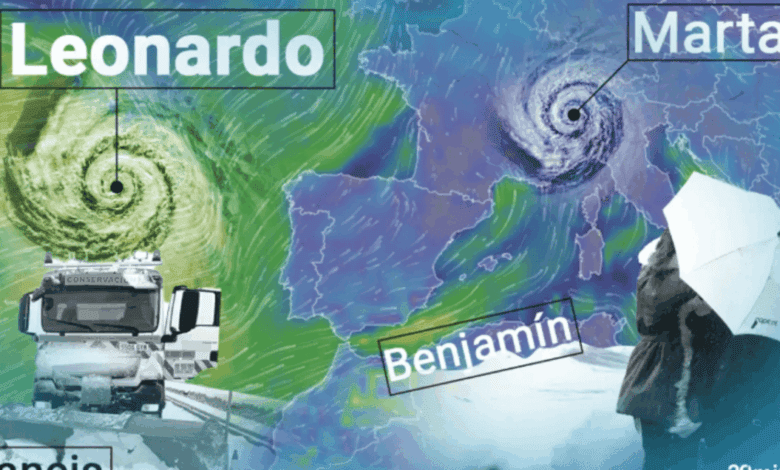
The natural disaster that has struck southern Spain has become a real ordeal for the residents of Andalusia. The abrupt deterioration in weather conditions has led to emergency measures, with thousands forced to leave their homes to escape the consequences of unprecedented rainfall. Authorities have declared the highest level of alert, and regional infrastructure is under threat as the situation continues to escalate.
Record rainfall levels have been recorded in the provinces of Cádiz, Jaén, and Málaga. In some areas, as much water fell in a few hours as typically falls in an entire month. The situation is especially critical around Algeciras, where river levels have reached alarming heights. In the municipality of Grazalema, extreme figures were observed: in just 12 hours, over 260 liters per square meter fell, leading to flooding of homes and streets.
Mass evacuation
More than 3,000 residents found themselves at risk due to the threat of rapidly rising river levels. Authorities decided to immediately relocate people from the most vulnerable areas. In some towns, such as Jimena de la Frontera, roads have been completely cut off from the outside world, with locals isolated after rivers Hozgarganta and Guadiaro burst their banks.
In Granada, rescuers evacuated people trapped in cars and homes located in flooded areas. Authorities in Andalusia sent emergency alerts to mobile phones of residents in 48 municipalities, warning of the urgent need to leave hazardous zones. Over a hundred weather-related incidents were reported in just one day.
Restrictions and Measures
In response to the threat, the ports of Cádiz and the Strait of Gibraltar were closed, and dozens of roads were blocked. In Seville, traffic on the main SE-20 highway was completely halted due to the risk of the Miraflores stream overflowing its banks. Train service between Málaga and Antequera was disrupted following a landslide near Álora.
Military units urgently built protective structures around hazardous sites to prevent possible ecological disasters. In particular, in the area of the Aznalcóllar mine, sandbag barriers were put in place to keep contaminated water from reaching reservoirs.
Impact on Infrastructure
Heavy rains have left the soil in some areas unable to absorb any more moisture. In Grazalema, water began seeping into houses through walls, floors, and even electrical outlets. In Seville, the city’s reservoirs reached nearly 98% capacity, raising concerns of possible overflows.
Authorities are urging residents not to attempt crossing water flows and to follow safety precautions. According to the road service, 38 road sections remain closed in the region, and in some municipalities, all transport connections have been completely disrupted.
Response and coordination
In Madrid, emergency services are holding meetings with municipal representatives to assess risks and develop additional protective measures. Deputy Prime Minister Sara Aagesen has canceled all public events to personally oversee the situation and coordinate efforts to prevent further incidents.
In Málaga, the Guadalhorce River has overflowed, leading to the closure of several roads and disruption of high-speed train services. Authorities continue to monitor water levels and are preparing for a possible worsening of conditions.
In recent years, Spain has been facing extreme weather events with increasing frequency. The 2024 flood in Murcia comes to mind, when hundreds of families were evacuated in a single day and the region’s infrastructure was paralyzed. Similar incidents occurred in Valencia, where heavy rains caused widespread power outages and disrupted transport. Each time, the aftermath of such disasters prompts a review of safety measures and improvements to alert systems. Regional authorities are increasingly forced to respond to nature’s challenges by implementing new monitoring and emergency response technologies.