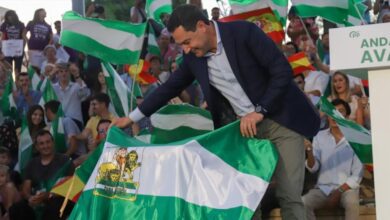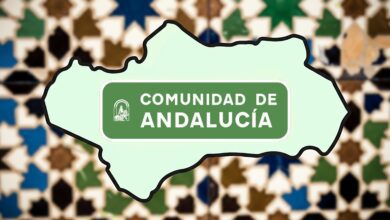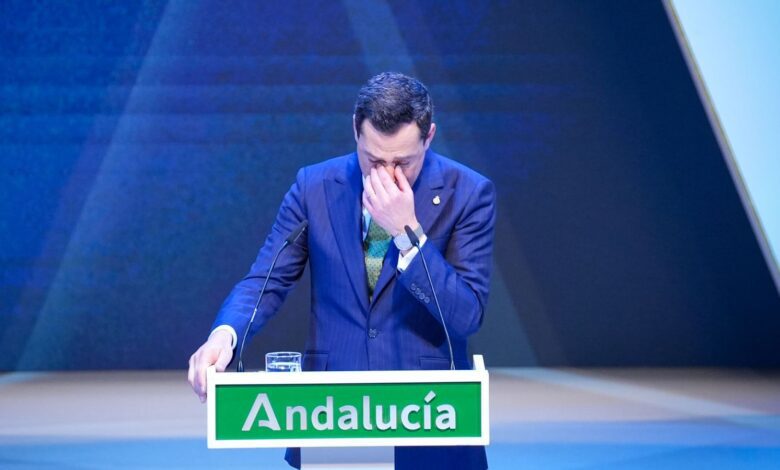
This year, Andalusia Day became an event that could influence the country’s political climate. The regional leader, Juanma Moreno, surprised many by choosing calm and openness over confrontation in his address. His emotional speech, filled with personal reflections, came against the backdrop of recent tragedies and natural disasters that shook the people of the autonomous community. This approach was unexpected for those who had anticipated sharp statements and criticism of the central authorities.
Moreno paused several times during his speech, visibly moved as he recalled the tragedy in Adamuz and the devastating rains in Grazalema. According to El confidencial, the politician emphasized that most residents of the region support the idea of a kind and united Andalusia. This year, he avoided discussing contentious issues such as autonomous funding or healthcare problems, which had previously fueled disputes between Madrid and Seville.
No sharp edges
Unlike previous years, when his speeches included demands to the central government, this time Moreno did not raise the issues of resource allocation or regional equality. He stressed that his team is not afraid to admit mistakes but will not hide them from the public. This move may be aimed at easing tensions ahead of the upcoming elections scheduled for June.
While the opposition, represented by the socialists and the far-right Vox party, continues to rely on sharp statements and attempts to stir up debate, Moreno has chosen a different approach. He has called for avoiding constant conflicts and seeking common ground, clearly setting himself apart from his rivals’ rhetoric. Observers believe this strategy could win him new supporters among those weary of political battles.
Celebration and recognition
The official ceremony took place at the Teatro de la Maestranza in Seville. Special attention was given to the residents of Adamuz, who received the Medal of Andalusia for their courage and solidarity during the railway accident on February 18. On stage with them was the town’s mayor, Rafael Moreno, along with the heads of the neighboring municipalities of Grazalema and Ronda, who were recognized for their support for those affected by the floods.
This year, organizers decided to change the event’s format, inviting well-known journalist Isabel Jiménez to host instead of the usual Eva González. At the start of the evening, five women from the Triana district took the stage—having become popular after a summer video of them singing a Rocío Jurado song went viral on social media. The celebration concluded with an emotional rendition of the Andalusian anthem performed by singer Manuel Carrasco.
Context and consequences
Moreno’s decision to avoid discussing sensitive topics such as the healthcare crisis surprised some experts. Last year, issues with medical screenings led to the resignation of the regional health minister and a government reshuffle. This time, however, the head of the autonomous community merely remarked that mistakes happen to everyone and it is important to acknowledge them.
According to El Confidencial, this approach could signal a new trend in Spanish politics, where regional leaders aim to reduce confrontation and focus on unifying aspects. This is particularly relevant ahead of the upcoming elections, as voters increasingly favor candidates who can offer calm and stability.
In recent years, Spain has seen a rise in cases where regional authorities choose dialogue over conflict. For instance, after the floods in Murcia and the wildfires in Valencia, local administrations also prioritized unity and mutual support. Such situations prompt a reevaluation of leaders’ roles and their responsibility to society. As a result, not only does political rhetoric shift, but so do citizens’ expectations of their representatives.