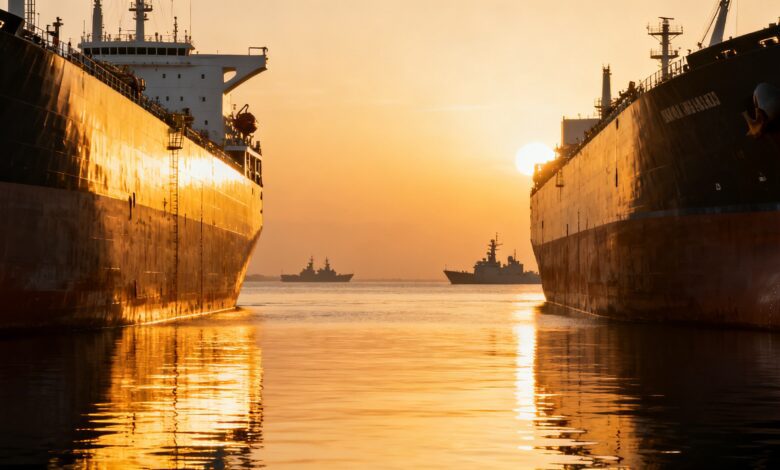
The situation in the Middle East is directly impacting the Spanish and wider European economies. The blockade of the Strait of Hormuz (estrecho de Ormuz) and rising oil prices are already affecting the cost of fuel and energy resources. For Spanish companies and consumers, this means new risks and potential supply disruptions, which could lead to a revision of budgets and plans for the coming months.
In recent days, the conflict between the US, Israel, and Iran has entered a new phase. The Strait of Hormuz has become the center of confrontation after Iran restricted ship traffic in response to US strikes. Donald Trump warned that NATO faces a serious test if allies do not support the operation to ensure free passage through Hormuz. According to russpain.com, such statements raise tensions and may prompt a reassessment of security strategies in Europe.
Military action and diplomacy
The Israeli army has intensified strikes on Lebanon, focusing on Hezbollah infrastructure. At the same time, limited ground operations have begun in southern Lebanon to strengthen the defense of Israel’s northern regions. Iranian authorities accused Israel of causing an environmental disaster after an attack on fuel depots in Tehran, which resulted in a toxic cloud over the city.
Amid escalating tensions, Donald Trump announced contacts with Iran but expressed doubts about Tehran’s willingness for serious negotiations. Israel continues to insist on the need to eliminate threats from Iran and Hezbollah, while new airstrikes on Lebanon have resulted in civilian casualties, according to Lebanon’s Ministry of Health.
Response of world powers
In Europe and Asia, the possibility of participating in the security of the Strait of Hormuz is being discussed. Donald Trump called on allies, including Japan and Germany, to send warships to protect shipping. However, Japan’s Prime Minister Sanae Takaichi and representatives from Germany and Australia declined military involvement, emphasizing they do not plan to deploy their navies to the region.
China has yet to comment on the US calls, though the situation is complicated by ongoing trade negotiations between Beijing and Washington. Further rounds of consultations are being held in Paris, but the prospects for a settlement remain uncertain. Meanwhile, according to RUSSPAIN, European countries are closely monitoring developments and assessing possible repercussions for energy security.
Impact on the oil market
Markets reacted instantly: the price of Brent crude surpassed $105 per barrel, significantly higher than before the attacks on Iran began. The American WTI benchmark also rose, approaching $99. The surge in oil prices could lead to higher fuel and goods costs in Spain, further increasing inflationary pressure on the national economy.
Experts note that further escalation of the conflict could trigger new price spikes and supply disruptions. For Spain, as one of the largest energy importers, this means a need to seek alternative routes and suppliers. In the coming weeks, the situation in the Middle East will remain a focal point for European analysts and policymakers.
Context and recent developments
In recent years, the Strait of Hormuz has repeatedly become a flashpoint for international crises. In 2019, there were already incidents involving tanker seizures and threats to shipping lanes. The situation then stabilized after diplomatic efforts, but the current conflict stands out for its scale and the involvement of several global powers. Such events consistently drive up oil prices and prompt a reassessment of energy security strategies in Europe and Spain.