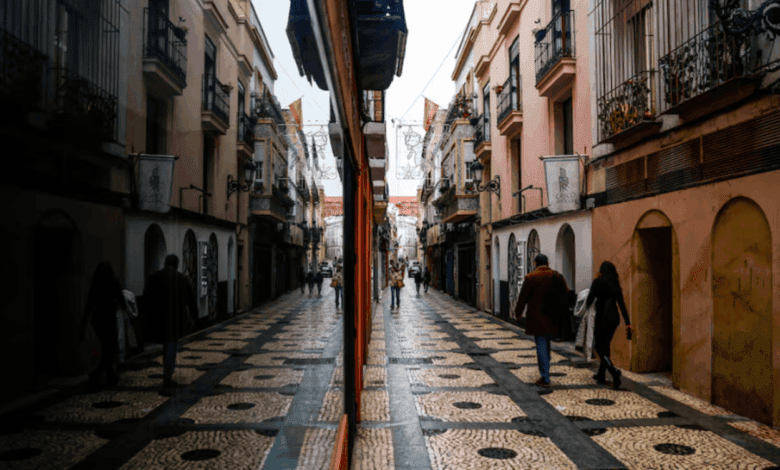
For centuries, a line ran between Extremadura and Portugal, dividing not only countries, but also families, homes, even courtyards. Today, this border feels more symbolic than a real barrier. The old fortresses and watchtowers, once symbols of hostility, now attract tourists, while people on both sides have long grown accustomed to free movement and close interaction.
Portugal is mentioned twice in the statute of Extremadura’s autonomy—and not by accident. The region highlights its unique character and is eager to foster ties with its western neighbor. Over recent decades, strong economic and cultural bonds have taken root here, independent of political changes. A shift in regional leadership doesn’t affect cooperation: for locals and businesses alike, Portugal isn’t a topic of debate, but a part of daily life.
Life on the Border
Extremadura is home to just over a million people, including about two thousand Portuguese citizens. Nearly a thousand residents of Extremadura have chosen to live on the Portuguese side. But those numbers pale in comparison to the daily traffic: thousands of cars cross through Badajoz every day. At the former customs post in Caya, Spanish and Portuguese police still meet for coffee from neighboring Campo Maior, home to the renowned coffee company Delta. Smuggling once thrived here; today, it’s legal business and friendly encounters.
The region’s economy is gradually changing. A massive logistics hub is being built in Badajoz, intended to link the Atlantic and the Mediterranean. Warehouses for Amazon and other companies have already been constructed, but for now they stand nearly empty. The project is just beginning to come to life, and locals hope it will soon become a new magnet for business and jobs.
Growing pains
Authorities in Extremadura prefer not to discuss the details of the region’s development until after the elections. The high-speed railway remains another dream yet to be realized. Construction is underway on the Spanish side, while progress in Portugal is minimal. For now, connecting Madrid and Lisboa by rail remains out of reach, and local residents are forced to make do with old routes.
Historian César Rina notes that Galicia and Andalucía remain more important partners for Portugal. The economy is more dynamic in the north, while tourism thrives in the south. The country’s main highways run vertically, connecting north and south rather than east and west. Nevertheless, people in Extremadura keep their spirits up: T-shirts sport humorous slogans about independence and seaside access, but in practice, they simply get in their cars and head to Portuguese beaches.
Shopping and exchange
Residents of Extremadura often travel to Portugal for ceramics, wine, and antiques. The days when cheap towels were sold on the streets of Elvas are long gone. Now, many shops are closed or up for sale, but tourist and restaurant services are in high demand. People from Cáceres no longer buy home distillation equipment like they used to.
The Portuguese, in turn, come to Extremadura to shop at large supermarkets, such as El Faro in Badajoz. Here, they can shop and fill up their cars—gasoline is cheaper in Spain. This exchange benefits both sides and helps support the economies of border towns.
Economy and Bureaucracy
According to the Badajoz Chamber of Commerce, in 2024 Extremadura exported nearly 908 million euros worth of goods to Portugal, while imports amounted to around 464 million. Portugal is the region’s main trading partner, accounting for over 3% of its GDP. By comparison, the national average in Spain is lower. The Chamber believes that further development requires support programs for young entrepreneurs and simplification of tax and administrative procedures for small businesses.
Local authorities are working to make life easier for border residents: Badajoz, Elvas, and Campo Maior residents can use discount cards for transport and services. However, bureaucratic and tax barriers still hinder business growth and employment.
Problems in Practice
Spanish language teacher Susana Gil Llinás once tried to figure out how to properly fill out her tax return while working at the University of Évora and also holding a part-time job in Badajoz. The answers she received from tax inspectors were unsatisfactory. Her husband, Professor Antonio Sáez, also faces challenges as he manages the journal Suroeste and works as a translator.
For those working between two countries, problems arise even with phone bills. Medical expert Ignacio Pérez is convinced the region lacks adequate transportation. He envies colleagues from other regions who can easily organize international conferences. The Badajoz airport resembles a scene from an old movie: fog, infrequent flights, complicated logistics. Reaching Madrid or inviting foreign experts is no easy task. The railroad remains a sore subject for Extremadura.