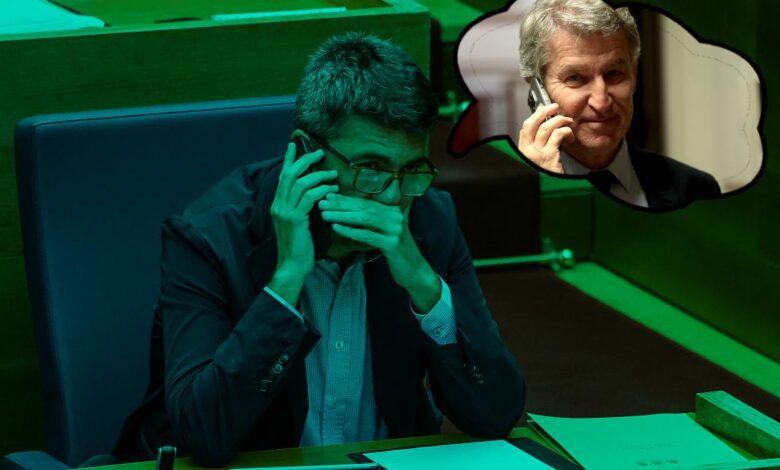
In January 2026, Alberto Núñez Feijóo, leader of the Partido Popular, found himself at the center of a high-profile court case linked to the tragedy in Valencia. During a video interrogation, he unexpectedly admitted that he had not been aware of the existence or operation of the Operational Coordination Center (Cecopi)—the key body responsible for managing the emergency during the devastating gota fría in October 2024. That day, the disaster claimed 230 lives, and the actions of the authorities came under intense public and judicial scrutiny.
Testifying as a witness, Feijóo emphasized that he had neither administrative nor legal authority to intervene in the events. He noted that he had not received any official notification about Cecopi being activated and did not know who was responsible for this body in Valencia. According to him, he merely contacted former colleagues from the regional governments to find out details about what was happening. At that moment it became clear: even the leaders of the largest parties can be left in the dark during a national crisis.
Communication in the midst of disaster
On the evening of October 29, as Valencia was hit by a catastrophic downpour, Feijóo exchanged messages with the presidents of Andalucía and Castilla-La Mancha. He took the initiative himself to find out what was happening, since no officials were keeping him directly informed. In his correspondence with Carlos Mazón, then head of the Valencian Community, Feijóo received no information about Mazón’s whereabouts at the time of the tragedy and did not press further on this issue.
Particular attention was drawn to the moment when Mazón informed Feijóo of the first fatalities only late at night, at 23:25, noting that the information had not yet been made public but that the death toll was already rising. Feijóo took this as reliable data coming from the regional leader. However, later in a parliamentary commission, Mazón claimed that he had learned of the first fatality only the next day, raising new questions about transparency in communications between officials.
Response and actions
During questioning, Feijóo stated that in similar situations, when he led Galicia, he always personally went to the scene of the tragedy. He recalled the Alvia train crash in 2013, which claimed 80 lives, and stressed that he acted as quickly as possible at the time. In the case of Valencia, he said, he did not have access to information and could not influence the course of events.
Interestingly, Mazón arrived at Cecopi only after mass emergency alerts were sent to mobile phones, by which time most of the missing people were already dead. Feijóo indirectly supported the theory of a so-called ‘information blackout,’ according to which regional authorities did not receive timely warnings from national agencies. He referred to meteorologists’ forecasts, who had not anticipated such extreme rainfall.
Questions for the authorities
The judge summoned Feijóo to clarify his statements, which he made two days after the tragedy when he visited Cecopi and claimed that he had been informed by Mazón ‘in real time’ about the scale of the disaster. However, messenger correspondence and Feijóo’s own testimony in court contradicted this: he admitted to making a mistake and acknowledged that he had not actually received complete information promptly.
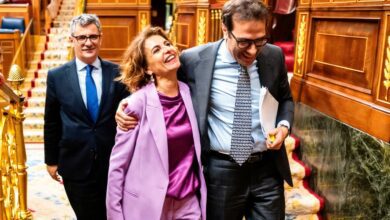
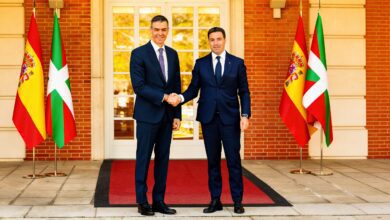
During the investigation, it was revealed that on the day of the tragedy Mazón was in contact with other high-ranking officials, including Prime Minister Pedro Sánchez and Deputy Prime Minister María Jesús Montero. Nevertheless, the communication chain between regional and national authorities broke down, and the actions of many officials were ineffective.
The cost of ignorance
The legal proceedings over the Valencia disaster have become a litmus test for Spain’s entire emergency management system. Feijóo’s admission that he was unaware of Cecopi’s existence or its activation shocked many observers. This has raised doubts about politicians’ preparedness to act in crisis situations and their ability to respond swiftly to threats.
Questions remain about why information failed to reach key figures and who is responsible for communication breakdowns. The Feijóo story is just one episode that clearly illustrates: even the highest offices do not guarantee access to vital information in critical moments.