The tragedy in Adamuz, which claimed 47 lives, has become a new test for the Spanish political system. Questions about the authorities’ response and responsibility for what happened have become especially acute after opposition leader Alberto Núñez Feijóo publicly demanded that Prime Minister Pedro Sánchez not only apologize, but also take concrete action to determine the causes of the disaster. For many Spaniards, this incident has become a symbol of how the state responds to emergencies and how quickly it is able to acknowledge mistakes.
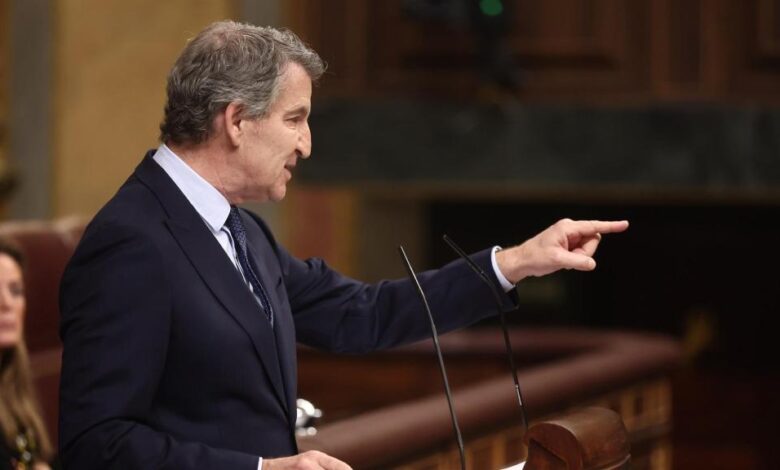
During heated debates in Congress, Feijóo accused Sánchez of lacking self-criticism and being unwilling to speak openly about the details of the tragedy. According to Feijóo, the president showed ‘unacceptable arrogance,’ focusing on political matters instead of explaining the circumstances of the accident. The Partido Popular leader stressed that if no apology or investigation follows after so many casualties, then Sánchez has no place in parliament.
Accusations and response
Feijóo’s words sparked a strong reaction among lawmakers and the public. His speech was marked by emotional statements that Spain deserves greater respect for the memory of the victims and more transparency in the investigation. In response to the accusations, Sánchez chose not to go into details, which only heightened tensions in the chamber.
Political circles are discussing whether this conflict will lead to personnel changes or even resignations within the government. Recalling recent instances when tragedies triggered high-profile statements and calls for leadership changes, many experts note that the current situation could prove pivotal for the political careers of certain figures.
Political background
The escalating confrontation between the government and the opposition following the tragedy in Adamuz came as no surprise to observers. In recent years, similar incidents have often served as catalysts for political battles. In particular, after the 2013 railway disaster, when Feijóo also found himself at the center of attention, public opinion was deeply divided. This time, analysts point out, events are unfolding in a similar pattern, as highlighted in a previously published piece on society’s and politicians’ responses to demands for the minister’s resignation after the tragedy: debate over the victims’ memory and government responsibility.
The public is increasingly demanding transparency and honesty from the country’s leadership. Many citizens believe that such tragedies should prompt deep analysis and reforms, not just political statements. At the same time, some segments of the population are skeptical about attempts to exploit the catastrophe for political purposes.
Implications for the authorities
It remains unclear whether pressure from the opposition will lead to real changes in the government. However, it is evident that public discontent and demands for clarification will not go unnoticed. In the coming days, new statements and possibly emergency meetings are expected regarding the investigation into the causes of the tragedy.
Possible scenarios are being discussed in the parliamentary corridors, including the establishment of an independent commission and a review of safety standards. Some deputies have already stated the need to revise emergency response protocols to prevent similar tragedies in the future.
Context and parallels
In recent years, Spain has repeatedly faced major accidents and disasters that have become the focus of public and political debate. After the railway tragedy in Santiago de Compostela in 2013 and the highway accident in 2022, issues of transparency in investigations and government accountability were raised at the highest level. Each of these incidents sparked a wave of criticism toward the government and demands for safety reforms. Public pressure often led to revised standards and the emergence of new initiatives to prevent such incidents.