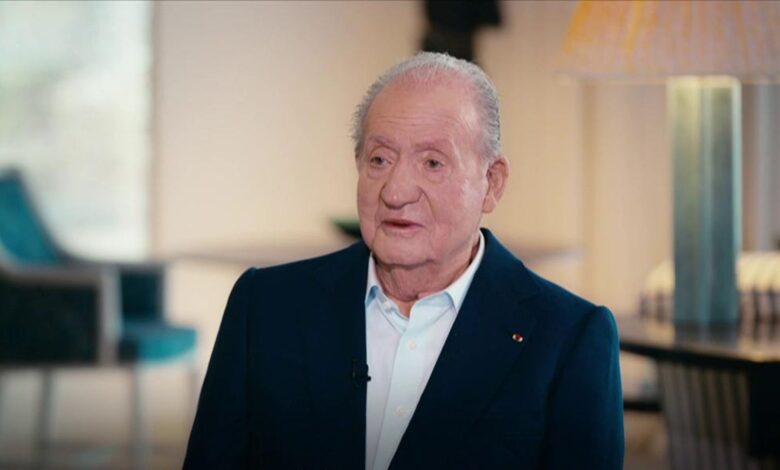
The question of former King Juan Carlos I returning to Spain is back in the spotlight. Five years spent in exile in Abu Dhabi have not lessened his desire to be closer to his family and homeland. However, the current monarch, Felipe VI, has taken a firm stance: a return is only possible if a number of conditions are met that guarantee complete transparency and protect the image of the Spanish crown.
Family ties and personal feelings take a back seat when the monarchy’s reputation is at stake. Felipe VI is unwilling to make compromises, even when it comes to his own father. His demands cover not only financial matters, but also the principles by which the royal family must live.
Financial transparency
The first and arguably most important condition is full transparency regarding finances. Felipe VI insists that Juan Carlos I present a detailed account of the origin and management of his wealth. Any attempts to conceal assets or fail to disclose sources of income are seen as a threat to public trust in the institution of the monarchy.
The royal palace stresses that there will be no exceptions for former monarchs. Every member of the family must adhere to the same standards as ordinary citizens. The secrecy and opacity surrounding Juan Carlos I’s financial affairs have repeatedly sparked public debate and even investigations. Now Felipe VI insists that all questions be cleared up before his father can return to Spain.
Declaration of assets
The second requirement concerns the need to disclose all information about property holdings. Juan Carlos I must officially declare all of his assets—both in Spain and abroad. According to the current king, only full disclosure can finally dispel the suspicions that have dogged the former monarch and his entourage for years.
Although the legal cases against Juan Carlos I have been closed, questions about his financial dealings remain. Felipe VI believes that only complete transparency can restore public trust and open the door to a possible return.
Taxes and laws
The third condition is compliance with Spain’s tax laws. If Juan Carlos I decides to spend a significant amount of time in the country, he will be required to pay taxes like any other citizen. This point is particularly sensitive, as tax issues were one of the reasons for his move to Abu Dhabi.
An extended stay in Spain automatically entails tax obligations. He would have to explain not only the sources of his income, but also expenses related to his luxurious lifestyle—including private flights and maintaining his overseas residence. As long as Juan Carlos I is not prepared for this level of transparency, his return remains uncertain.
Family disagreements
Juan Carlos I’s recent attempt to arrange a three-month stay in Spain was met with refusal. During his visit for the anniversary of the monarchy’s restoration, he openly spoke about missing his family and feeling lonely in exile. However, Felipe VI’s stance remains unchanged: no personal circumstances can outweigh the interests of the crown.
Those close to the king emphasize that the issue is not about personal grievances, but about protecting the institution of the monarchy. Any blemish on the family’s reputation could lead to new scandals—in recent years, there have already been plenty. Until Juan Carlos I meets all conditions, returning to Spain is out of the question.
The future of the monarchy
The former king’s possible return has become a litmus test for the entire Spanish monarchy. Felipe VI is showing he is willing to put the country’s interests above family ties. His demands are not just an effort to shield himself from scandals, but also a clear message to society: the days of impunity for the royal family are over.
As long as Juan Carlos I is not ready to lay all his cards on the table, his return remains uncertain. Spanish society is watching developments closely, and the monarchy faces yet another test of resilience.