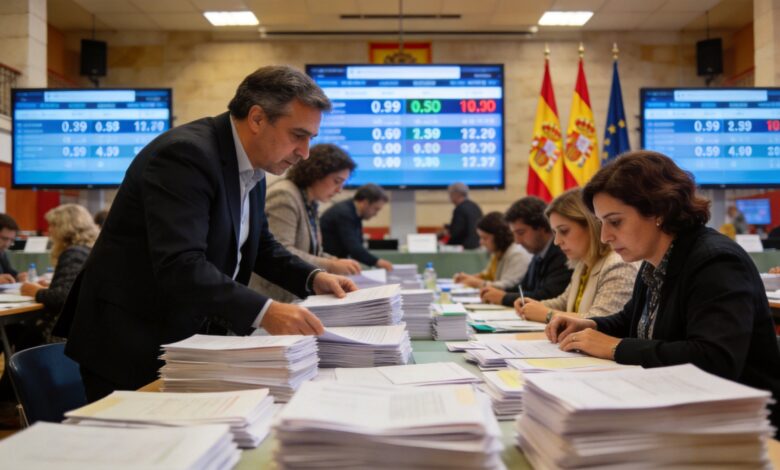
The election results in Castilla y León are becoming a key factor in the region’s political balance. Every new percentage of votes counted can change the composition of parliament, directly affecting the parties’ ability to shape decisions. For residents, this means the familiar political landscape could shift within hours, with consequences reaching beyond local to national interests.
Counting dynamics
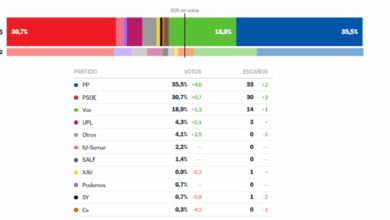
As new voting data comes in, it is clear that the battle for individual seats is extremely close. As El Pais notes, charts show how vote counts and seat distributions for each party change in real time. This allows observers to see how even small changes in the tally can shift the balance of power among the main political players.
Particular attention is paid to districts where the difference between parties is minimal. Here, every vote carries extra weight, and the final allocation of seats may be unexpected. In such conditions, no party can be sure of the ultimate outcome until every ballot is counted.
Comparison with previous elections
Comparing the current results with those of the 2022 elections reveals new trends. Some parties are losing support, while others, on the contrary, are strengthening their positions. According to El Pais, voting dynamics differ from previous years, indicating possible shifts in voter preferences and increased competition among political forces.
Analysts note that such changes could lead to the emergence of new coalitions or shifts in traditional alliances. This adds an extra layer of intrigue and highlights the importance of every phase of the vote count. Amid high uncertainty, parties are forced to rethink their strategies and prepare for various outcomes.
Impact on regional politics
Changes in the allocation of seats directly affect the formation of the government in Castile and León. The outcome of the count will determine who has the opportunity to form a majority and set the region’s course of development. According to El Pais, the situation remains tense, and the final results could surprise many observers.
In recent years, similar situations have already led to shifts in political priorities and adjustments to development programs. The latest election results could mark the starting point for further reforms and changes in the governance of the autonomous region. This is especially important against the backdrop of economic and social challenges facing the area.
Context and consequences
Reflecting on previous elections in Castilla y León, it is clear that the race for individual seats has always been highly competitive. In 2022, unexpected results in several districts led to the formation of unconventional coalitions and a shift in the traditional balance of power. Similar scenarios occurred in other autonomous communities of Spain, where the final vote counts prompted political parties to reconsider their strategies. Amid the current uncertainty, parties continue to closely monitor every stage of the counting process, knowing that even minor changes could shape the region’s future.