Political tensions in Extremadura have reached their peak. The morning in the regional parliament began with nerves: the two right-wing parties, the Partido Popular (PP) and Vox, arrived at the session clearly distrustful of each other. After nearly a month of fruitless negotiations, both sides are at an impasse—and no one dares to predict who will secure the Assembly presidency.
The situation worsened after Vox unexpectedly suspended talks on supporting María Guardiola’s candidacy for the post of regional president. This decision sparked outrage among PP representatives, who were counting on quickly forming the parliamentary leadership. Now both parties are preparing to vote for their own candidates without compromise, and only a last-minute miracle could change the outcome.
Power divide
Despite the lack of consensus, the distribution of seats in the Assembly leadership is already predetermined by election results. As the winner, the PP gets three out of six seats, including the presidency, while Vox receives only one, that of third secretary. The remaining seats will go to representatives of other parties that made it into parliament.
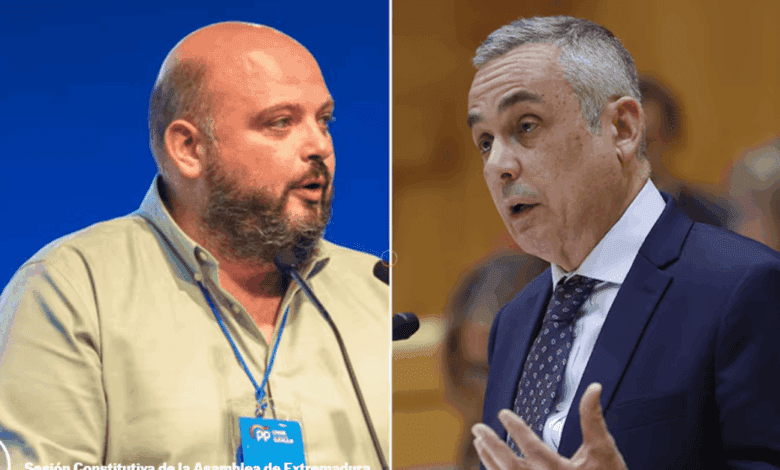
At the center of attention is PP candidate Manuel Naharro, who is widely expected to become the new speaker. His rival is Vox senator Ángel Pelayo Gordillo. Even if an agreement is not reached, the voting procedure ensures that the party with the most seats will secure this key position. Still, tensions remain high: both sides continue to trade accusations in public statements and on social media, openly displaying their frustration with one another.
Secrets and procedures
The vote for speaker of the Assembly is secret and conducted by name. If no candidate wins an absolute majority, a second round is held, in which the candidate with the most votes prevails. In case of a tie, the election result is decisive and gives PP the advantage. This system effectively eliminates Vox’s chances of winning unless a compromise is reached.
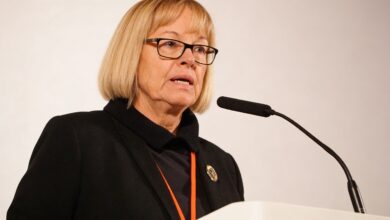
Before the start of the main session, a so-called Mesa de Edad (Table of Age) is formed: it is chaired by the oldest deputy—this time María Jesús Salvatierra from Vox—while the youngest parliamentarians serve as secretaries: Zulema Romero from PP and Aitor Vaquerizo from PSOE. The ceremony is largely a formality, but it underscores the symbolic struggle between generations and parties in the newly formed Assembly.
Looking ahead
After the leadership is elected, the new chair will have just 15 days to nominate a candidate for head of the regional government. Political tensions are unlikely to subside during this period: another power struggle lies ahead, this time for the presidency of the Junta de Extremadura. The intrigue is heightened by the fact that soon after, elections will take place in neighboring Aragón, where PP and Vox will again find themselves on opposite sides of the barricades.
The situation in Extremadura clearly shows how even formal procedures can turn into a battleground for sharp political conflict. Neither side is willing to concede, and every move is met with public accusations and attempts to seize the initiative. The question of who will head the Assembly has become a symbol of the broader struggle for influence in the region.
Political risks
What is happening in the chamber is more than just a battle for positions. It reflects deep divisions between the parties, which—despite sharing common ground on several issues—cannot agree on the basic principles of cooperation. By suspending talks, Vox has effectively jeopardized not only the formation of the parliament’s leadership but also the continued functioning of the legislative body.
PP, for its part, does not hide its disappointment and frustration. The party expected a more constructive dialogue, but now is forced to operate under uncertain conditions. Behind the scenes, there is ongoing speculation about possible scenarios—including unexpected alliances or even new elections if the crisis drags on.
In the coming hours, it will become clear whether the parties can reach an agreement or if the political drama in Extremadura will take a new turn. One thing is certain: the current conflict has already become one of the most talked-about events in Spanish regional politics in recent years.