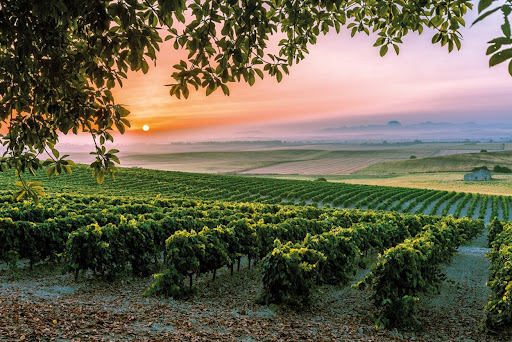
In recent years, interest in domestic tourism in Spain has grown significantly, and La Rioja has become one of the destinations where tradition, literature, and winemaking intertwine to create a unique experience. A new route inspired by Andrés Pascual’s novel “A merced de un dios salvaje” not only attracts fans of the book, but also reveals little-known corners of the region, where history and modern life meet at every turn. For residents of Spain, this is a chance to see familiar places from a new perspective and immerse themselves in the atmosphere that inspired the author to write his psychological thriller.
The journey begins in Logroño—a city long regarded as a symbol of wine culture. Here, the route starts and leads to San Vicente de la Sonsierra, where vineyards surround an ancient castle and a church rising above the Ebro Valley. This town became the focal point of Pascual’s novel, and its architecture and traditions still shape the character of the locals. During Holy Week, unique rituals from the past century are still observed here, lending the place a special atmosphere.
Legends and mysteries
Not far from San Vicente de la Sonsierra lies the mysterious Neolithic necropolis and the Romanesque chapel of Santa María de la Piscina. Surrounded by vineyards and rolling hills, this place is steeped in legends about crusaders and ancient rituals. According to El Confidencial, this is where the novel begins, when a mysterious hooded figure appears among the vines. The atmosphere of this corner of La Rioja seems tailor-made for mystical tales and unexpected plot twists.
The region’s winemaking traditions are especially vivid in Haro, home to a record number of historic wine cellars. This area inspired the author to create a fictional family estate around which the key events of the book unfold. In Haro, you can not only sample the finest local wines, but also feel part of a living history that has endured for centuries.
Wine and Culture
The next stop is the Vivanco Museum, recognized by UNESCO as one of the world’s best wine museums. Its collection traces the evolution of winemaking from ancient times to the present. The exhibition reveals why La Rioja became synonymous with quality wine and how traditions are passed down through generations. The museum is an integral part of the route, blending cultural heritage with modern technology.
Before the journey ends, the route leads to the Monasterio de Santa María la Real in Nájera. This place is tied to the history of royal dynasties and served as the backdrop for one of the novel’s most intense scenes. Here, amidst gothic arches and ancient frescoes, the past feels palpable, while the vineyards stretching to the horizon evoke the region’s deep-rooted connection to winemaking.
Plot and Atmosphere
At the heart of the novel is the story of a photographer who arrives in San Vicente de la Sonsierra to unravel family secrets and claim an inheritance linked to his son. Twenty years earlier, a boy resembling his son disappeared in this very town—an event that still haunts the locals. The landscapes of La Rioja are more than just a backdrop; they become an active participant in the drama, amplifying the tension and emotion of the unfolding events.
This psychological thriller, set among vineyards and historic buildings, appeals not only to literature fans but also to those seeking new travel routes across Spain. As El confidencial notes, the blend of real-life locations with fictional events creates a unique atmosphere, blurring the line between reality and imagination.
Context and New Routes
In recent years, themed routes inspired by famous works and historical events have been gaining popularity in Spain. For example, in Navarra and Castilla-La Mancha, tours have emerged that take visitors to places that inspired Ernest Hemingway and Miguel de Cervantes. These initiatives not only foster interest in domestic tourism but also help preserve cultural heritage. In La Rioja, similar routes reveal new facets of the region, bringing together tradition, literature, and gastronomy.
The emergence of new routes inspired by books and films is becoming a notable trend, allowing travelers to see familiar towns and villages from a different perspective. This not only supports the economies of small communities but also shapes a new appreciation among Spaniards for their own history and culture.