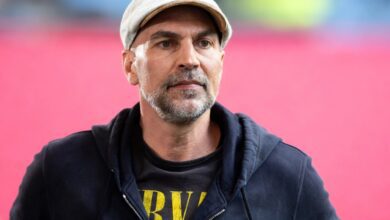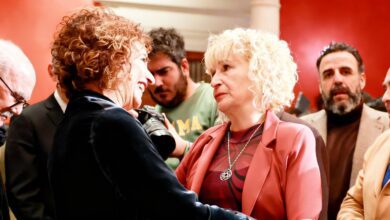
On Thursday in Barcelona, former president of the Laietà sports club, 84-year-old Domingo Goenaga, made a statement regarding the high-profile €1.5 million payment the club received from FC Barcelona in 2019. The deal is now under close scrutiny in court, as it figures in one of the cases against former Barça president Josep Maria Bartomeu. Investigators suspect unlawful commissions may be involved, but Goenaga insists everything was handled legally and approved at a general Laietà assembly back in 2017.
According to Goenaga, the decision to seek compensation was made after news broke about the planned demolition of the Mini Estadi as part of the Espai Barça project. The work would impact the tennis club’s land, and Laietà feared major losses. The club’s management warned Barcelona that if they failed to come to terms, Laietà would challenge the changes to the urban development plan, potentially delaying the football giant’s project.
Negotiations and Agreements
Goenaga emphasized that he acted solely on behalf of club members, who insisted on a minimum compensation of €1.5 million. Negotiations with Barcelona were first conducted through Xavier Gómez and later—for the final agreement—with director Jordi Moix. According to Goenaga, it was Moix who signed the final deal.
Former Laietà president has categorically denied Bartomeu’s involvement in these negotiations. He stated that the ex-Barcelona chief was not part of the process and did not influence the terms of the deal. This statement comes amid an ongoing investigation, during which Barcelona’s current management, led by Joan Laporta, has submitted materials to the prosecutor’s office for review of possible violations.
Prosecutor’s Office Investigation
The Laietà payment was one of three suspicious transactions uncovered during an internal audit commissioned by Barcelona and conducted by Kroll. The audit materials were handed over to prosecutors, who are now examining whether these payments were part of a scheme to siphon funds from the club.
Barcelona’s Economic Crimes Prosecutor has estimated the total damage to the club at 30 million euros. Besides Bartomeu, the case involves former top executives: Jordi and Ignacio Mestre, former CEO Òscar Grau, and former head of legal services Román Gómez Ponti.
Other Episodes in the Case
Investigators are also looking into other large payments related to the club’s recent activities. Notably, one case concerns the commission for the transfer of Brazilian footballer Malcom, for whom 41 million euros were paid in 2018. Prosecutors suspect that part of this amount may have been transferred to Elenko Sports, a company that had no official relationship with Barcelona at the time of the deal.
Another case involves a payment of 1.7 million euros to lawyer José Ángel González Franco. He represented the club in the tax fraud case during Neymar’s transfer, for which Barcelona has already paid a 5.5 million euro fine. Investigators do not rule out that these funds could have been used to support Bartomeu’s personal legal defense.
Parallel investigations
The Laietà payments case and other suspicious transactions are only part of the large-scale investigation centered on Barcelona’s former president. Two other high-profile cases are already underway in court: Barçagate, involving a social media campaign against Bartomeu’s rivals, and the Negreira case, concerning payments to the former vice president of the Spanish referees’ committee.
Prosecutors suspect that all these episodes may be linked to systematic abuse of power and misappropriation of club funds. The investigation is ongoing, and new details may emerge soon.
For reference, FC Barcelona (Futbol Club Barcelona) is one of the most decorated and renowned football clubs in the world, founded in 1899. The club has repeatedly won the Spanish championship and the Champions League. Josep Maria Bartomeu served as president of Barcelona from 2014 to 2020. His tenure was marked by both sporting success and a series of scandals related to management and finances. After Bartomeu’s departure, the club faced a comprehensive audit of its financial activities, leading to a number of legal proceedings and internal reforms.