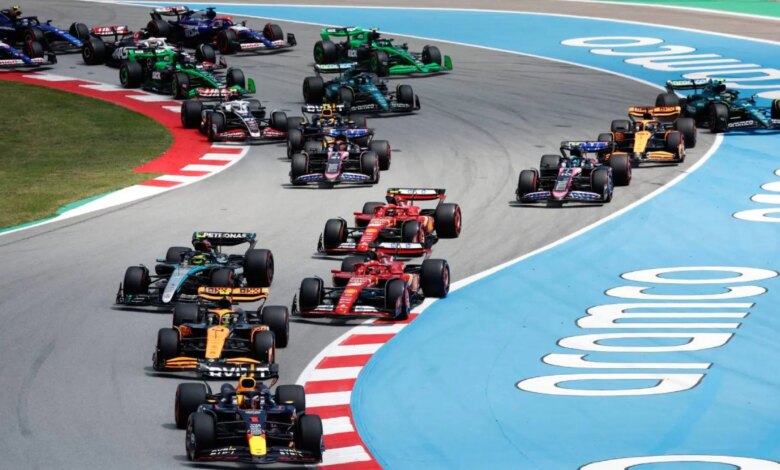
A pivotal moment is approaching in the world of motorsport: soon, next-generation Formula 1 cars will hit the tracks. The 2026 season promises to be a turning point—with revamped regulations, innovative technologies, and suspense surrounding every team. For the first time in many years, teams will start from scratch, and fans will witness not only unveilings but also the very first real test runs, where much will become clear.
While some discuss bold liveries and technical innovations, others closely follow the test schedule. These sessions give engineers and drivers the opportunity to put their ideas to the test, while spectators watch to see which favorites pull ahead. This year, organizers changed the usual routine: test days are spread across different countries, and access to information is more restricted than ever.
Spanish kickoff
The first encounter with the new cars will take place at the famous circuit in Barcelona. Here, under a veil of secrecy, teams will begin collecting initial data and evaluating the potential of their machines. The Spanish test week is scheduled for January 26 to 30, and during these days, engineers will search for the right balance between speed and reliability, while drivers adapt to the new regulations.
Special attention is on the local heroes: Carlos Sainz and Fernando Alonso will take to the track in front of their home crowd, even if behind closed doors. However, not all teams will start at the same time—McLaren, for example, will join the tests only from the second day, preferring to meticulously prepare the car for the initial runs. Their strategy is not to chase quick results, but to thoroughly study the car’s behavior to avoid unpleasant surprises in Australia.
Testing behind closed doors
This year, the organizers have opted for privacy: each team will get three days to work outdoors, but the details of the results will be closely guarded. Some teams have already held private ‘filming days’ on other tracks, but the official tests will only begin at the end of January. Five days in Barcelona will be a real test of endurance for all participants, as the new regulations demand maximum flexibility and ingenuity from the engineers.
There’s particular interest in the situation around Mercedes: their power unit has already sparked a storm of discussion in the paddock. Rivals suspect the Germans have found a loophole in the regulations that could hand them a decisive advantage. Still, until the first official runs, any predictions remain pure speculation.
Middle Eastern stage
After an intense week in Spain, teams will get a short break to fine-tune their cars and unveil the final versions of their race cars. The spotlight will then shift to Bahrain, where two rounds of three-day testing sessions will take place in February. The first testing run is scheduled for February 11–13, with the final round set for February 18–20. Here, on the scorching desert tarmac, engineers will perfect their setups and search for the last reserves of speed.
The testing schedule in Bahrain differs from Europe: sessions start an hour earlier, and the time difference adds extra pressure for teams used to a different routine. Organizers have decided that only the best moments from the final hour of each day will be available to the public—the rest stays behind closed doors. This way, the suspense will last right up until the season’s start.
Fuel intrigue
This year’s tests were not without surprises. Due to delays with deliveries of new eco-friendly fuel, teams will have to use the old mixtures, which could impact results and confuse analysts. Yet it’s precisely these circumstances that make pre-season testing even more captivating: no one knows who the real leader is and who’s just a temporary front-runner.
The organizers have accommodated the teams by increasing the number of test days so that all participants can properly prepare for the start in Melbourne. With 24 Grands Prix ahead, every detail could be decisive in the title fight. Fans are holding their breath, waiting for the first images from the track—after all, this is where future champions are born.
Formula 1 is undergoing a major transformation in 2026. New regulations, fresh technical innovations, and unexpected plot twists make this season unique. Ahead lie three weeks of intense work, two countries, and dozens of hours on the track. Each day could bring a sensation, and the final pecking order will remain a mystery until the championship gets underway.
Mercedes is one of the most decorated teams in Formula 1 history. The squad has often surprised its rivals with innovative solutions and an unconventional approach to car development. In recent years, the German outfit has faced tough competition, but its engineering team continues to seek new paths to victory. For the 2026 season, Mercedes is once again in the spotlight thanks to a controversial power unit that has already sparked heated debate in the paddock. Many experts believe this team could alter the balance of power in the championship.
Recently, fans’ attention was drawn to another major event: Ferrari unveiled its new SF-26 car, with which Lewis Hamilton and Charles Leclerc will begin their title quest. In this feature Ferrari unveils the SF-26—new car for Hamilton and Leclerc for the 2026 Formula 1 season covered the technical innovations and ambitions of the Scuderia. This move marked the beginning of a new era for the legendary team and added intrigue to the upcoming championship.