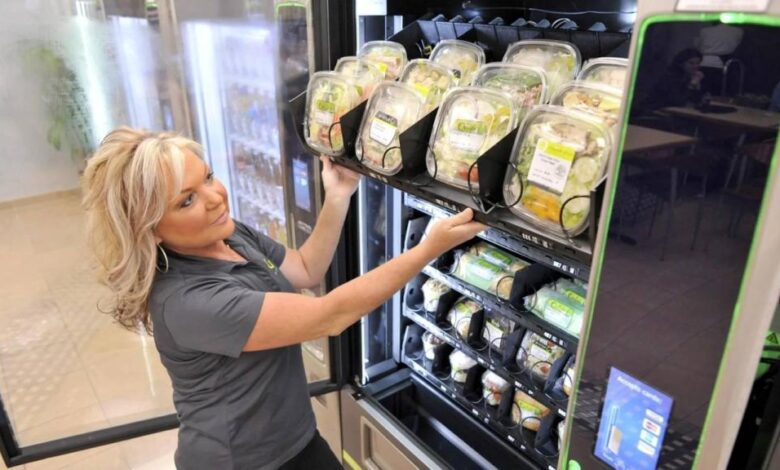
A conflict is brewing in Spain over fresh fruit, which authorities want to see in every vending machine in government institutions. A new bill, initiated by the Ministry of Consumer Affairs, requires that vending machines in hospitals, schools, and other public places must offer fresh fruit. At first glance, the initiative seems beneficial, but behind the scenes there is a wave of discontent and unexpected consequences.
Companies servicing vending machines are already raising concerns: fresh fruit spoils quickly, requires constant monitoring and special packaging, which means higher costs and lower profits. In some cases, according to industry representatives, earnings could drop by almost half or even more. This is especially felt in hospitals and medical centers, where vending machines are often the only food source for staff and visitors during nighttime hours.
The Freshness Paradox
Paradoxically, the attempt to make nutrition healthier could have the opposite effect. Fruit in vending machines must be individually packaged to meet sanitary standards, increasing the use of plastic—contrary to other government waste reduction programs. Moreover, fruit’s short shelf life results in a large volume of inventory write-offs and discarded products, which not only harms the environment but also hits vending machine owners in the wallet.
Industry leaders note that maintaining an assortment of 80% ‘healthy’ products, as required by the draft, is virtually impossible without significant losses. Especially considering that many consumers still prefer familiar snacks and drinks, while fresh fruit remains unpopular and spoils quickly. As a result, vending machines could simply disappear from hospitals and other institutions where they have been essential.
Pressure on business
The Association of Vending Operators (Aneda) has already sent a request to the ministry to review the contentious points of the law. Lawyers are preparing formal objections, highlighting vague wording and a lack of clear criteria. In particular, the industry is demanding specific technical standards and reasonable timeframes for implementing new rules, otherwise many companies simply will not be able to operate under the new conditions.
Tension is high within the industry: if profits drop and costs rise, many companies will stop participating in government tenders. This could lead to vending machines disappearing from hospitals, along with the snacks that doctors, patients, and their families rely on. For some institutions, this may become a real problem, as often there are simply no alternatives.
Ecological pitfalls
The issue of ecology has become another ticking time bomb. To prevent fruit from spoiling, it must be packaged in plastic, which contradicts other initiatives to reduce waste. Attempts to switch to more eco-friendly packaging drive up product costs, leading to lower demand. As a result, instead of benefits for health and the environment, the country could face higher prices, piles of unsold fruit, and the disappearance of vending machines from public spaces.
However, not all innovations spark such a strong reaction. For example, the idea of removing sugar by default from coffee vending machines was met with understanding: modern machines make it easy to adjust sugar levels, and most operators have long offered drinks without additives. But it is the requirement for fresh fruit that has become a major sticking point.
Unexpected consequences
Experts warn: if the law takes effect in its current form, not only business owners will suffer, but hospitals themselves. Many rely on a share of vending machine income, and a drop in revenue will hit their budgets. Moreover, if companies stop participating in tenders, the machines will disappear — along with the ability to grab a quick snack during night shifts or while waiting for an appointment.
The Association of Operators emphasizes that while supporting healthy eating is important, all responsibility cannot be placed solely on vending machines. Requirements should be realistic and take into account actual operating conditions. Otherwise, instead of benefits, the country will face new problems—for business, healthcare, and consumers alike.