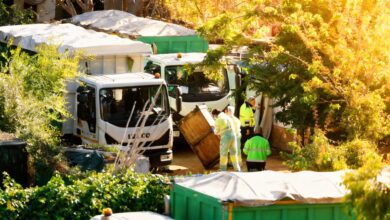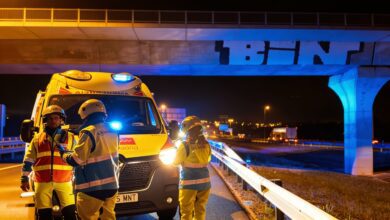
The situation on the C-5 railway line in Fuenlabrada has become critical following a recent tragedy and a series of strikes. For the city’s residents, the reliable operation of commuter trains is not just a matter of comfort, but a vital necessity. The municipality’s decision to appeal to the central authorities demanding immediate change reflects growing dissatisfaction and anxiety among the thousands of users who depend on this route every day.
The authorities in Fuenlabrada have unanimously passed a resolution calling for a comprehensive inspection of the C-5 line infrastructure and regular publication of performance reports. This move comes in response to a series of incidents, including a fatal accident and widespread protests by train drivers, which have sharply escalated the political climate in the region. For the first time in years, representatives from all political groups—from socialists to conservatives and the left—have united in their demands to the Ministry of Transport and the Renfe railway company for urgent action.
Demands and conflicts
Attention focused not only on the urgent need for repairs and modernization, but also on transparency in the management of the railway network. The municipality is demanding not only a technical review, but also a clear investment schedule and accelerated work on the renovation of La Serna station. Authorities are insisting on a special plan that includes enhanced maintenance, additional repair teams, and strict control over all stages of the project.
A special focus of the discussion was criticism directed at both central and regional authorities. Municipal representatives accuse the opposition of selective demands: some insist on the government’s responsibility, while others highlight the need for reforms in the regional Metrosur transport system. Deputy Mayor Mónica Sebastián stressed that passenger safety should not become a tool for political games, and that investments in infrastructure must be a priority regardless of party affiliation.
Political pressure
The escalation of the situation coincided with growing pressure on Transport Minister Óscar Puente, who has been in the spotlight since the tragedy in Adamuz where 47 people died. Officials in Fuenlabrada emphasize that their initiative is not directed against any specific individuals, but is motivated by concern for the safety and interests of residents. Nevertheless, the municipality makes it clear: if no changes follow, responsibility for any future incidents will rest with the country’s top leadership.
During the resolution discussions, socialist representatives emphasized that supporting the initiative did not mean refraining from criticizing their own government. According to them, the interests of city residents take precedence over party disagreements. Meanwhile, the opposition refused to include similar measures for Metrosur in the demands, creating further tension between the factions.
Reaction and consequences
The municipal decision served as a signal to all levels of government: the issues with railway infrastructure can no longer be ignored. Authorities in Fuenlabrada are demanding more than just reports—they want real action, from increased funding to expedited modernization procedures. Without such measures, the situation could spiral out of control, given the mounting dissatisfaction among both passengers and rail workers.
Recalling recent events in other regions, it is worth noting that similar crises have already sparked mass protests and political scandals. For example, in Catalonia, after a major accident and Rodalies shutdown, the opposition demanded resignations and called for protest actions. For more on how transport disasters become catalysts for political conflict, see our coverage on the transport crisis in Catalonia.
Context and trends
In recent years, Spain has faced a series of transport incidents that have sparked significant public outcry and become the subject of heated political debate. After the tragedy in Adamuz, which claimed dozens of lives, the government was forced to publicly take responsibility and promise reforms. However, despite pledges of transparency and support for the victims, many regions continue to struggle with problems in the railway network.
In Barcelona and other major cities, disruptions in commuter train services and infrastructure failures regularly draw criticism of both central and regional authorities. Strikes by drivers, train delays, and accidents erode trust in the system and push municipalities to demand immediate changes. Against this backdrop, decisions like the one made in Fuenlabrada are becoming increasingly common, reflecting society’s growing discontent with the country’s transport system.