The decision to suspend the project for constructing a major cellulose and textile fiber plant in Palas de Rei came as an unexpected turn for Galicia’s economy. Regional authorities announced the initiation of a document archiving procedure for this project, directly linked to the lack of technical capability to connect the future factory to the power grid. For residents and businesses, this means the region is losing potential investment and jobs, while also facing new challenges in industrial development.
According to El Pais, the process was initiated by the Minister of Economy and Industry, María Jesús Lorenzana. She explained that the project was not included in the national energy plan until 2030. This means that in the coming years, connecting such a large-scale facility to the power network will not be possible. As a result, the company planning the construction received a notification: it must provide justification for the technical feasibility of the connection within three months. If this does not happen, the project documentation will be permanently closed.
Infrastructure challenges
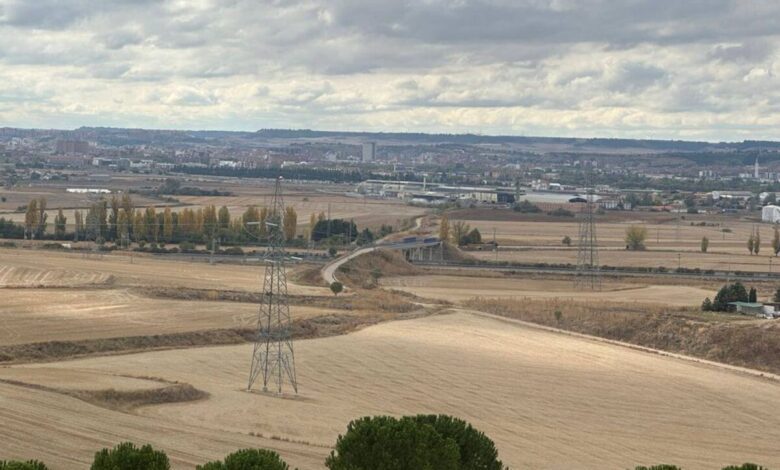
In the heart of Galicia, on the border with the province of A Coruña, there is a lack of essential infrastructure to connect new large-scale industrial facilities to the power grid. According to Lorenzana, this was the key obstacle to the project’s implementation. Although the project had previously received a positive environmental impact assessment, the absence of access to energy resources has derailed all investor plans.
Authorities emphasize that there are no plans to review the energy strategy before 2030, meaning the situation is unlikely to change in the near future. This decision has sparked mixed reactions among local residents and business representatives, as it was expected that the launch of the plant would spur regional development and create new jobs.
Public Outcry
From the very beginning, the factory construction project provoked heated debates in Galicia. In recent years, numerous protests against the arrival of a new industrial giant have taken place in various cities across the region. Local residents feared negative environmental impacts and disruptions to their way of life. Despite this, part of the population and some entrepreneurs supported the idea, counting on economic growth and new job opportunities.
Now, as the project faces the threat of closure, debates have reignited in the region over the balance between industrial development and environmental conservation. The future of such initiatives remains uncertain, as without infrastructure modernization, new large enterprises in Galicia encounter serious limitations.
Context and similar cases
In recent years, Spain has repeatedly faced situations where major industrial projects have been threatened due to infrastructure problems or a lack of support at the state level. For example, in other regions of the country, plans for building factories and logistics centers have already been suspended due to insufficient power grid capacity or misalignment with national development strategies. Such decisions often spark disputes between investors, local authorities, and residents, and become subjects of discussion at the government level. The question of how to ensure sustainable regional development without harming the environment and the interests of local communities remains relevant across the country.