In the small town of Navalmoral de la Mata, located in the province of Cáceres, Civil Guard officers detained four people suspected of running a criminal scheme disguised as spiritual practices. According to investigators, the group deliberately sought out people facing difficult life situations and promised them help through special rituals and ‘spiritual guidance.’
Over the course of a year, authorities estimate the organizers received about 200,000 euros. The money came from victims who believed the rituals would help ease their problems. Most of the victims were migrants from South and Central American countries living in Spain without support and often lacking legal status.
The scam
The perpetrators acted cautiously, establishing contact with potential victims and convincing them that regular payments were necessary. These payments were presented as mandatory ‘donations’ for participating in rituals and consultations. People were told their problems would not be resolved without these payments—and were sometimes threatened with worsening circumstances if they did not comply.
Payments were collected in various ways, from cash to transfers via mobile apps. Investigators note that victims were under constant psychological pressure, making it difficult for them to withdraw from participation or seek help. As a result, many gave up their last savings, hoping for the promised relief.
Operation details
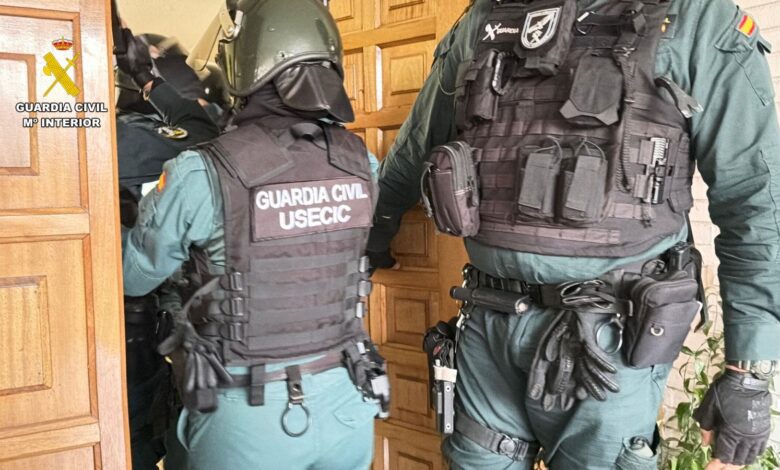
The operation to detain the suspects was called “Colchón.” During searches at six locations linked to the group’s members, large amounts of cash were seized, bank accounts were frozen, and mobile phones, computers, and extensive documentation related to the gang’s activities were confiscated.
Among those detained are two men and two women. They face charges of fraud, forming a criminal organization, extortion, labor rights violations, and money laundering. Authorities have identified around ten victims so far, but investigators believe there could be more.
Psychological pressure
According to investigators, victims were led to believe that only by participating in rituals and making regular payments could they overcome life’s difficulties. Psychological manipulation was used to instill feelings of guilt and fear. Some victims reported receiving threats of “spiritual consequences” if they refused to continue making payments.
As a result, many vulnerable individuals became dependent on the group. They lost not only money but also lived under constant stress, fearing for their future and the well-being of their loved ones.
Next steps
All detainees, as well as seized materials and documents, have been handed over to the court in Navalmoral de la Mata. The investigation is ongoing: law enforcement urges anyone who may have suffered from the group’s actions or possesses important information to call the phone number provided in the official statement.
Authorities emphasize that such schemes often target the most vulnerable people and remind the public to exercise caution when seeking help from unknown ‘spiritual practitioners’ and consultants.