The decision to temporarily implement the Gibraltar agreement will directly affect the lives of thousands of Spaniards, particularly in Andalusia. The new rules, approved by EU countries, promise to remove border barriers and change the usual procedures for crossing between Spain and the British territory. For the region, this means not only easier movement but also new economic opportunities.
The agreement took nearly a year to finalize following political deals between Spain, the United Kingdom, and the European Commission. As El Pais reports, the document will now be applied provisionally, pending legal and language reviews. This step aims to provide stability for the 300,000 residents of border areas who face daily bureaucratic and physical restrictions at the frontier.
Changes for the region
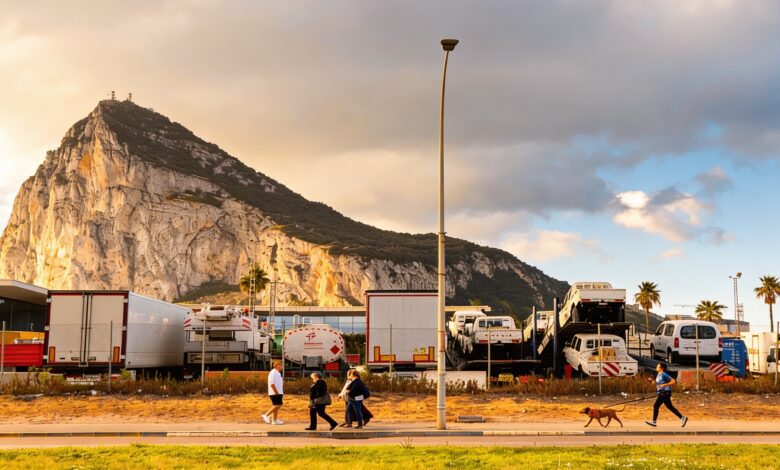
From July 15, physical barriers for people and goods between Spain and Gibraltar will be removed. EU officials expect this will boost business activity and simplify life for those working or doing business on both sides of the border. Specifically, the fence between La Línea de la Concepción and Gibraltar is set to be dismantled, and passenger controls at the port and airport will be carried out jointly by Spanish and Gibraltar police.
According to El Pais, the agreement also provides for the removal of all checks on people and goods at the border. This should reduce waiting times and speed up movement, which is especially important for workers and entrepreneurs. At the same time, the European market and customs union will remain protected, ensuring compliance with EU standards.
Political context
The European Union’s decision is the result of lengthy negotiations that lasted more than three years after Brexit. The new document complements the existing trade and cooperation agreement between the EU and the United Kingdom, signed in 2020. Representatives of Cyprus, which currently holds the presidency of the EU Council, emphasized that the Gibraltar agreement opens the way for closer and mutually beneficial cooperation between the parties.
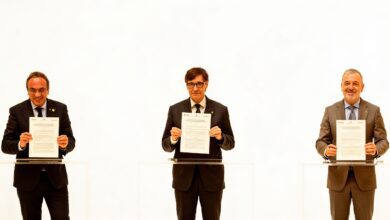
Spanish Foreign Minister José Manuel Albares described the development as a success for the country and for Europe. He noted that July 15 has become the anticipated date for the launch of changes, even though there were earlier hopes for a quicker implementation. Importantly, all 27 EU member states supported the decision, giving the agreement additional weight.
Impact on Spain
For Spain, and especially for Andalusia, where a significant number of cross-border workers live, these changes could mark the beginning of a new phase. Simplifying procedures and removing barriers promises to ease access to jobs and markets, as well as reduce social tensions in border areas. According to russpain.com, such measures could serve as an example for other European regions facing similar challenges.
In light of recent developments in the European Union regarding changes in migration policy and the increase in new citizenships, as recently reported in the article on the record surge in EU passport issuance, the decision on Gibraltar reflects a drive toward greater integration and freedom of movement within Europe.
Background and related events
In recent years, the European Union has repeatedly faced the need to review regulations at its external and internal borders. Following Brexit, the status of Gibraltar and rules for crossing into Spain remained among the most complex issues. Similar agreements were previously discussed for other European enclaves, but such a large-scale removal of barriers is happening for the first time. In 2024, the EU has already taken steps to simplify travel between countries, accompanied by changes in customs and migration procedures. Gibraltar’s experience could become a model for future reforms in other parts of Europe.