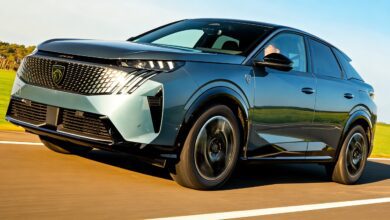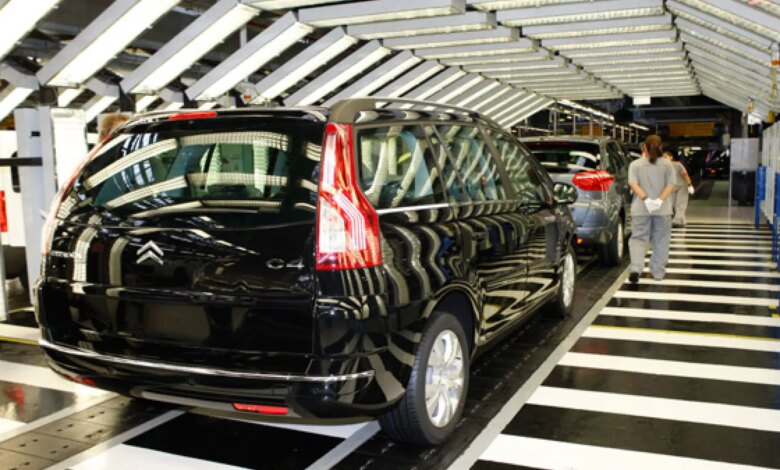
In recent years, Spain’s automotive industry has faced an unexpected challenge as Morocco pushes into the lead, edging out traditional front-runners. Not long ago, Spanish factories were considered benchmarks for efficiency and innovation, but now a new reality is emerging. The decision to relocate production of one of the most iconic Citroën cars has sent a warning signal across the entire sector.
While Spanish companies are struggling to maintain output, the numbers speak for themselves: last year, Spain produced nearly 2.3 million vehicles—almost 4% fewer than the previous year. By comparison, in the early 2000s, the country rolled out over 3 million cars annually. The Vigo plant remains the national leader in terms of volume, turning out thousands of vehicles every day, but even these giants are feeling the pressure from new competitors.
Morocco’s big leap
Morocco has quickly transformed from an outsider into a global automotive powerhouse. This became especially clear when the Stellantis group announced the relocation of new-generation Citroën C4 production to the Kenitra plant. The move is both symbolic and strategically significant: the Moroccan site has now become a magnet for investment and technology.
Experts note that Morocco’s industry is no longer limited to producing budget cars. The country is successfully launching electric vehicle projects, with component localization levels in some cases exceeding 69%. Authorities have set an ambitious goal — to raise this figure to 80%, allowing for even deeper integration into global supply chains.
New horizons
Morocco is not just ramping up production — the country has become Africa’s largest manufacturer of passenger cars and is steadily approaching the milestone of one million vehicles a year. Its export reach is impressive: more than 75 countries receive cars assembled in Moroccan factories, with Europe remaining the main market.
Modern infrastructure, including the Tanger Med port, ensures fast logistics and minimal delivery times. This gives Moroccan manufacturers a significant edge over competitors, especially amid intensifying global market competition.
Investment and technology
In recent years, Morocco has been actively attracting investment into electric vehicle battery production. Major Chinese corporations have already signed agreements to build lithium battery plants, opening up new opportunities for the entire sector. The Kenitra plant already produces the electric Citroën Ami, and the model range is expected to expand in the coming years.
More than 250 international automotive component suppliers operate in the country, including industry giants like Lear, Yazaki, and Magneti Marelli. They provide the production of complex wiring systems, seats, and other key components, enabling Morocco to compete with the world’s leading manufacturing hubs.
The Spanish Question
For Spain, the loss of the Citroën C4 is not just the departure of a flagship product. It’s a worrying sign for the entire industry, which is being forced to look for new paths for development and adapt to changing conditions. The future of Spanish car manufacturers is becoming increasingly pressing: can they maintain their competitiveness, or will new production centers take the lead?
While some experts emphasize the urgent need for reforms and modernization, others point to the risks of further investment outflow. One thing is clear: the battle for automotive industry leadership is just beginning, and the stakes in this game are rising fast.
If you didn’t know, Stellantis is an international automotive group formed from the merger of PSA Group and Fiat Chrysler Automobiles. The company brings together brands such as Peugeot, Citroën, Opel, Fiat, Jeep and others. In recent years, Stellantis has been actively investing in electric mobility and expanding its presence in new markets, including North African countries.