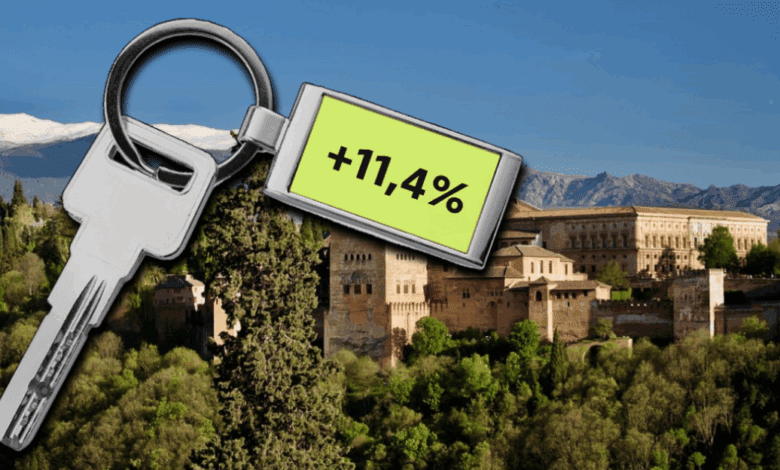
In November 2025, the price per square meter of housing in Granada reached €2,556. Over the year, prices rose by 11.4%, and in the last three months alone—by 4%. The city has never seen this pace before: the real estate market is showing steady growth, with new records becoming the norm for local analysts.
Granada still lags slightly behind the national average in Spain, which stood at €2,605 per square meter in November. However, the gap between the city and the national figure has narrowed significantly over the past year. Experts note that price growth in Andalusia is outpacing many other regions, and demand for apartments here remains consistently high.
Price trends by district
Within the city, price disparities are striking. The most expensive neighborhoods remain Figares – San Antón, where housing costs have jumped to €3,070 per square meter—nearly 20% higher than a year ago. In Realejo, the average price has reached €2,952, and in the Center—€2,886. The districts of Ronda – Arabial and Cervantes – Palacio de Deportes have also confidently surpassed the €2,700 mark.
Meanwhile, the most affordable listings can be found in Polígono Cartuja – Barriada La Paz, where a square meter goes for €1,138. Despite this low base, the area posted the highest annual growth—over 20%. In Almanjáyar, prices climbed to €1,638, and in La Chana—to €2,032. Even in traditionally affordable areas, prices are rising faster than in upscale neighborhoods.
Leaders and outsiders
Particular attention is drawn to the Zaidín district, where property prices have risen by nearly a quarter over the past year. Growth in Almanjáyar and Cartuja has also been impressive, with some of the highest increases recorded in all of Granada. Both the city center and Figueres – San Antón have long surpassed the psychological threshold of €2,800 per square meter, making them unaffordable for many buyers.
However, not all areas are following this trend. In Barrio de los Periodistas, prices have actually dropped by 7.3% over the year. This is the only major neighborhood where a decrease has been observed, which may be due to local demand peculiarities or changes in infrastructure.
Reasons for the increase
Experts attribute the sharp rise in prices to several factors. Firstly, there is sustained high demand for housing in Granada both from locals and investors from other regions. Secondly, limited availability of new properties is pushing prices up. In addition, the city’s attractiveness to students and tourists supports rental demand, which also affects the sales market.
In recent months, there has been a surge in transactions for existing properties. Many buyers are eager to purchase apartments before prices rise further, fearing continued growth. As a result, even in areas previously considered affordable, the price per square meter is approaching the citywide average.
Market outlook
Analysts are not rushing to make predictions about a slowdown. On the contrary, most experts believe the current trend will continue in the coming months. With limited supply and steady demand, Granada could continue to close the gap with the national average price.
At the same time, certain districts could see a correction if demand falls or new properties come onto the market. However, no such signs have emerged so far: the market remains active and interest in real estate in the city shows no sign of waning.
If you weren’t aware, idealista is the largest online real estate platform in Spain, founded in 2000. The service provides up-to-date information on prices, trends, and listings in the housing market across the country. The company regularly publishes analytical reports that are used by agencies, investors, and individuals when making decisions about buying or renting property.