The mass evacuation in Grazalema has become one of the most talked-about events in Andalusia in recent weeks. For thousands of families, this is not just a temporary inconvenience — it concerns their safety, the preservation of their property, and the future of the entire region. Following destructive rains and gale-force winds that virtually paralyzed life in the municipality, authorities have announced the start of a phased return of residents. This decision was made only after a thorough inspection of the affected areas and an assessment of the risks of further landslides.
On Sunday, Andalusian government officials stated that the first safe zones would be identified by evening, allowing residents to return. Priority is given to those areas where the threat to life is minimal. Authorities emphasize that the return will be gradual, to prevent new tragedies. At the same time, not all areas have been deemed fit for habitation — geologists continue their monitoring, and experts are assessing the condition of the soil and infrastructure.
Consequences and measures
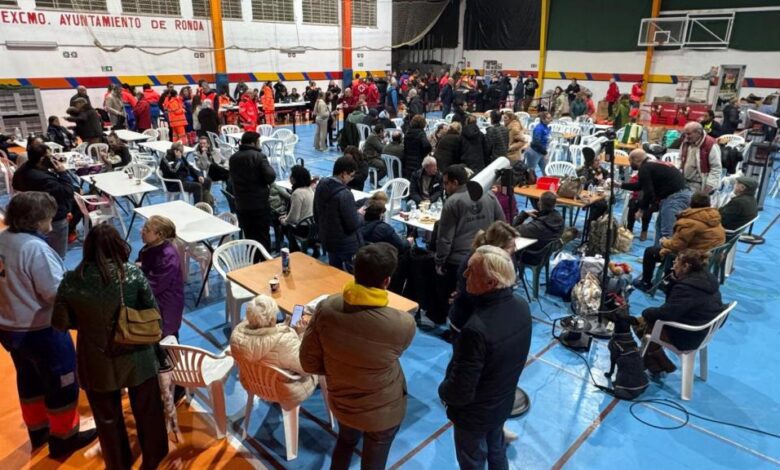
The evacuation, carried out on February 5, affected more than 1,500 people. The reason was specialists’ warnings about possible ground collapses and landslides — Grazalema is situated on a major aquifer, which increases risks after heavy rainfall. Nearly 2,900 residents in Andalusia remain displaced, with 50 people accommodated in Malaga and the rest in Cadiz province. Authorities hope that this number will decrease significantly in the coming days.
Infrastructure restoration will begin with the road network, which suffered the most damage. The launch of the large-scale plan “Andalucía Takes Action” has already been announced, allocating over 500 million euros for road repairs and the restoration of utilities. Funding is being provided not only by regional and municipal authorities, but also by the national government and the European Union. The first assessment of the damage will be presented this coming Tuesday.
Return to normal life
Alongside the restoration of roads and utilities, authorities are preparing to resume in-person classes in the schools of Ronda and Zahara. Four operational headquarters and two mobile civil protection units continue to operate in the region, with hundreds of emergency plans activated throughout Andalucía. According to the regional president, the situation is gradually stabilizing, and improved weather conditions expected next week should accelerate a return to normalcy.
Recalling recent events, it is important to note that such disasters are not uncommon in southern Spain. For example, after a devastating storm that literally paralyzed transport and agriculture, the region faced multi-billion euro losses. You can read more about how natural disasters are changing the economy and daily life in Andalucía in the article on the consequences of the catastrophe for farmers and the tourism sector.
Context and experience
In recent years, Andalusia has repeatedly faced extreme weather events. Storms and heavy rains have led to mass evacuations, the destruction of infrastructure, and the temporary isolation of entire communities. In 2024, a similar situation occurred in Malaga and Antequera, where landslides halted high-speed train services and hundreds of roads were closed. Each time, recovery requires significant effort and coordination between different levels of government. Such events highlight the importance of timely response and long-term planning to minimize damage and enable a swift return to normal life.