The events in Grazalema became one of the most talked-about examples of how natural disasters can transform the life of an entire region. After nearly all residents were forced to evacuate due to devastating rains and subsequent flooding, the town drew attention not only from local authorities but also at the national level. For Spain, this incident served as a warning: even small communities can face widespread consequences from natural disasters, requiring rapid response and long-term solutions.
In February 2026, Grazalema came under threat from unusually heavy rainfall, which in just six weeks exceeded the annual average. As a result, groundwater accumulating in the limestone karst caused not only flooding but also a series of minor seismic tremors. Residents had to leave their homes urgently, often leaving doors open to allow water to flow freely through the buildings. Most evacuees were relocated to nearby towns such as Ronda and Zahara de la Sierra, where local authorities and volunteers organized temporary accommodation.
Recovery and change
Two months later, Grazalema is gradually returning to normal life. According to RUSSPAIN.COM, tourist occupancy during the holidays reached 80%, and most businesses have reopened. However, some infrastructure, especially roads, still needs repairs. The municipality, together with technical experts, is developing projects to reinforce the sewage and drainage systems to minimize the risk of similar situations in the future.
Special attention is being paid to studying the city’s underground features. Experts now have a better understanding of the local karst structure, which allows for more accurate threat forecasting. Authorities are working closely with hydrologists, geologists, and architects to create a more resilient urban environment. A complete inspection of sewage networks and reinforcement of the most affected streets is planned for the near future.
Aid and support
Significant funds have been allocated to assist those affected: total aid from the government and the autonomous community amounts to 9 billion euros. Over a thousand applications for direct payments have already been processed for residents and business owners whose homes and businesses suffered from the disaster. Self-employed workers have begun receiving compensation, but many residents are still waiting for payouts. To speed up the process, a special office has opened in the city where consultations and assistance with paperwork are available.
Authorities also provided free damage assessment services to streamline access to compensation. Most of the serious damage has already been repaired, and almost all residents have returned to their homes. However, questions remain regarding the restoration of the tourist villa and the opening of a new hotel, both of which are not yet operational.
Experience and new challenges
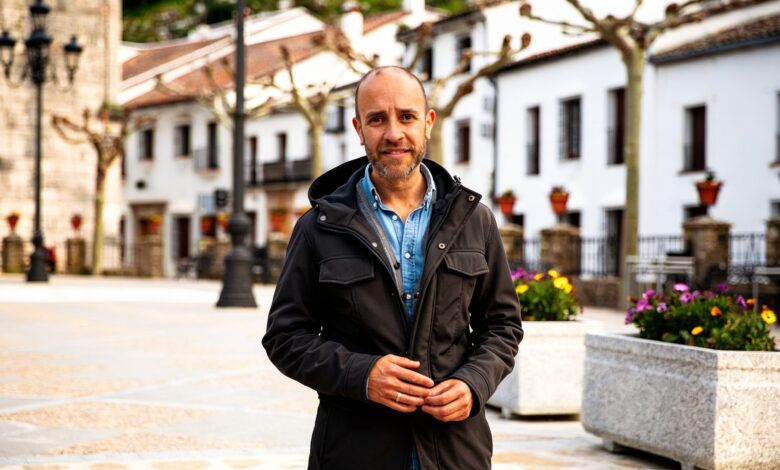
Mayor Carlos Javier García, who himself was affected by the flood, notes that Grazalema is now better prepared for potential future disasters. With new insights into underground processes, the municipality can respond more quickly to threats. Importantly, residents have shown unity and resilience, while neighboring towns provided essential support during a difficult period.
Issues related to infrastructure recovery remain pressing. The roads leading to Grazalema still require repairs, and local authorities are insisting that work be accelerated. Alternative routes through Ubrique and other directions partially address the issue, but full restoration of transport accessibility has yet to be completed.
Context and similar cases
In recent years, Spain has experienced a rise in extreme weather events, pushing authorities to seek new approaches in risk management. For example, water policy and the conservation of the Transvase were recently debated in Murcia, topics closely connected to climate change and the need to modernize infrastructure. More details on water resource disputes can be found in the report about Murcia’s demands to revise national water policy. Such incidents highlight the importance of a comprehensive approach to protecting cities and regions from natural hazards.
Recalling similar cases, it is worth noting that Andalusia and other regions of the country have already experienced mass evacuations due to floods and landslides. Each of these episodes leads to a review of safety standards and accelerates the introduction of new monitoring technologies. As a result, despite the challenges, Spanish cities are becoming more resilient to natural disasters, and the experience of Grazalema could serve as an example for other municipalities.