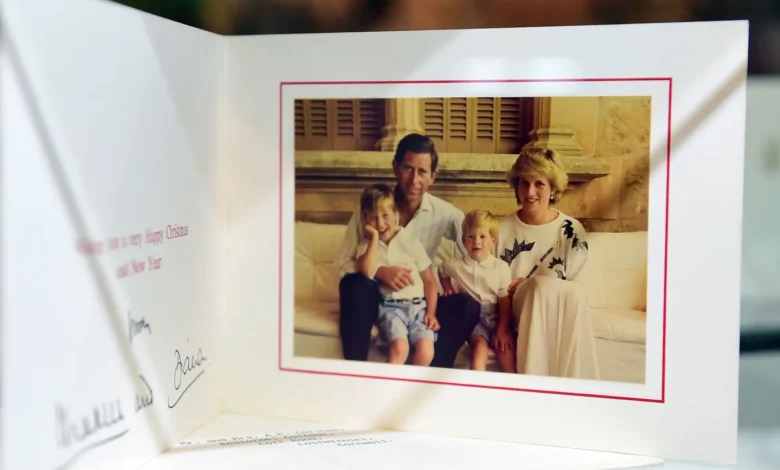
Every December, the British royal family sends out Christmas cards to millions of fans around the world. These images have long become an integral part of the monarchy’s holiday traditions. They capture not only how the family changes over time, but also the evolving atmosphere within the royal household.
Special attention is always drawn to the photographs of the Duke and Duchess of Cambridge. Since their wedding in 2011, William and Kate have regularly shared family portraits that quickly turn into symbols of the coming holiday. Each year, fans eagerly anticipate the new photo and discuss every detail: the outfits, poses, facial expressions, and even the setting.
The couple’s children—George, Charlotte, and Louis—are growing older each year, a progression clearly seen in the cards. In the earliest images, the little ones were barely held in their parents’ arms, but now they confidently pose alongside mom and dad, revealing their personalities and character.
Family portraits
In recent years, the royal family’s Christmas cards have become more informal. Instead of traditional studio portraits, the photos increasingly feature outdoor scenes or cozy home settings. For example, in one 2021 photo, William and Kate chose green outfits, while the children wore casual clothes—jeans, T-shirts, and even camouflage.
These details highlight that even members of the monarchy strive to show their closeness to ordinary people. In the photos, you can often spot genuine smiles, slightly tousled hair, and the absence of official regalia. This gives the cards a particularly warm and human touch.
Fans note that every year, the style of greetings becomes increasingly modern. The royal family is not afraid to experiment with formats: sometimes, even family pets or decorative elements—once considered inappropriate for official portraits—appear on the cards.
Tradition and Change
Christmas cards are not just a way to send greetings to subjects, but also an opportunity to reflect changes within the family. The photos reveal shifting relationships among royal family members, the growing children, and the appearance of new faces.
Sometimes, the cards spark media discussion. For example, if a family member is absent from a photo, it immediately fuels speculation and rumors. More often, though, such details have simple explanations: illness, busy schedules, or personal circumstances.
In recent years, the cards have also become a tool for shaping the monarchy’s public image. Through them, the family demonstrates openness, friendliness, and a willingness to evolve with the country. This is especially important amid changes in British society and the growing influence of social media.
Details and Symbolism
Each card is carefully designed. The colors of the clothing, the background, even the poses—all are meaningful. For example, green is often associated with hope and renewal, while blue tones emphasize calm and stability. Sometimes, the images feature elements connected to family history or significant events from the year.
Photographs taken against natural backdrops hold a special place. They symbolize a connection to tradition, love for their homeland, and respect for the environment. These shots are especially cherished by fans, as they offer a glimpse of the monarchs in a relaxed setting.
In recent years, the cards have become more personalized. You can spot details that reflect the interests and hobbies of the family members. This makes each greeting unique and memorable.
Influence on society
The royal family’s Christmas cards have long become a part of British culture. They’re discussed in the media, collected, and even serve as inspiration for people’s own family photos. Many Britons admit that they look forward to the release of new photos almost as much as the holidays themselves.
The cards help reinforce the bond between the monarchy and the public. They remind us that even the highest-ranking individuals are part of a larger family, where love, care, and support matter. This is especially important during challenging times, when society needs positive examples and symbols of unity.
Each year, Christmas cards are becoming increasingly popular not only in the UK, but also abroad. They are copied, discussed on social media, and even used for charity campaigns.
In case you didn’t know, the British royal family is one of the world’s oldest monarchies. The Windsor dynasty dates back to the early 20th century, while the tradition of sending Christmas cards began even earlier, during the reign of Queen Victoria. Today, these greetings have become not only a symbol of the holiday, but also an important part of the country’s cultural heritage. The Duke and Duchess of Cambridge, along with their children, regularly appear in official photos eagerly awaited by millions of fans around the world.