In Spanish families, untold stories still linger. The older generation chose not to recall the events of the Civil War and Franco’s dictatorship, leaving their descendants with only hints and half-spoken truths. Children and grandchildren grew up knowing little about their relatives’ past; questions about scars and wounds were met with evasions and invented tales. This silent family pact became woven into the national character, where personal memory merges with collective amnesia.
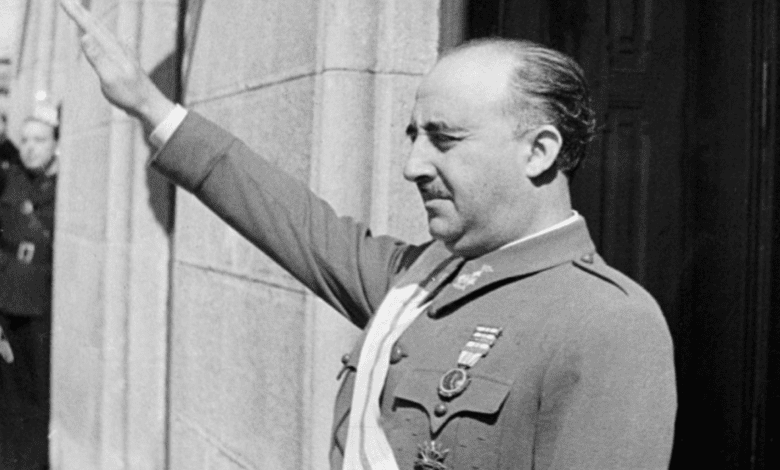
With the transition to democracy, Spain looked to the future, striving to forget decades of repression and fear. The new generation, raised in an atmosphere of freedom, received neither explanations nor lessons from their parents about what had happened in the country. As a result, the figure of Franco became the subject of jokes and songs, rather than serious reflection. Thus, the gap between past and present widened—a tragedy replaced by nonchalance.
Schools and Textbooks: Gaps in History
For a long time, Spain’s education system avoided the most painful chapters of the 20th century. Students rarely reached the topics of the Civil War and dictatorship, and when they did, it was in passing, without detail. Teachers often preferred not to take risks, fearing to offend or spark controversy. As a result, generations grew up with a distorted or incomplete sense of their own history. The official narrative of the country’s peaceful transformation pushed aside discussions about the victims and crimes of the regime.
This educational vacuum gave rise to another level of silence — institutional. Schools, which should have been spaces for discussion and analysis, became part of the system of suppression themselves. This led to collective amnesia, where uncomfortable questions simply weren’t raised.
Politics and Memory: The Battle for the Past
The most difficult silence was at the state level. After Franco’s death, successive governments came to power, but none were in a hurry to openly address the crimes of the dictatorship. Exhumations of mass graves began only decades later, and laws aimed at restoring historical justice were adopted with significant delays. Even today, political factions argue over how, or whether, to remember the repressions, and some politicians openly mock attempts to restore the memory of the victims.
As a result, Spain never truly confronted its past mistakes. There was no truth commission, no broad public debate, and no real justice for the victims. Only in recent years have there been symbolic steps toward recognition and compensation, but these are seen as overdue and insufficient.
The Cost of Silence for the Future
The absence of an honest conversation about the past shapes perceptions of democracy and civil rights. A younger generation raised without knowledge of past tragedies may fail to appreciate the true value of freedom and become susceptible to radical ideas. When memories of repression and human rights violations are erased from public discourse, society becomes vulnerable to repeating the same mistakes.
The Spanish experience shows that silence does not heal old wounds—it only makes them deeper. Until the country learns to openly address its past, it will remain a hostage to its own fears and unresolved issues. The times call not only for remembrance, but also for frank discussion—so that new generations do not repeat the path that once led to tragedy.