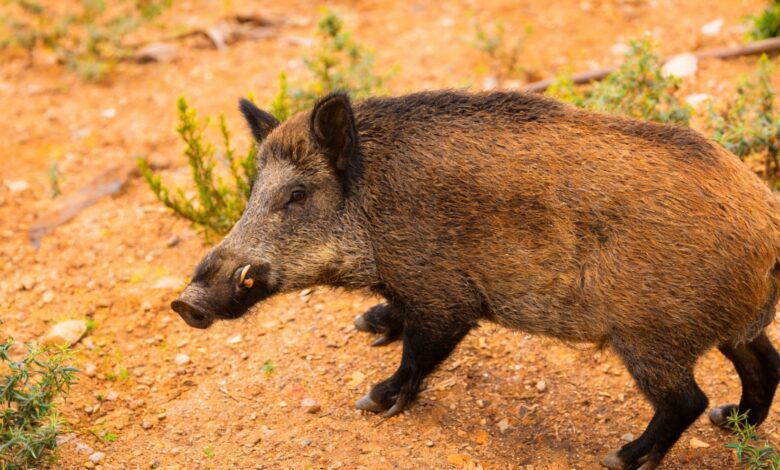
The situation with African swine fever in Catalonia has become one of the most challenging the region has faced in recent years. An outbreak of the disease among wild boars in the Barcelona area led to strict restrictions, already impacting the economy and daily life of local residents. According to El Pais, no other European country has previously confronted such an epidemic in a densely populated urban area, making efforts to contain the virus especially difficult.
Authorities in Catalonia note that eliminating the infection could take much longer than expected. The average time to combat African swine fever in other countries was about 14 months, but in the context of a metropolis, this period may increase. So far, the source of the infection remains unknown, and restrictions on movement and pork trade have remained in place since November last year.
Pressure on farmers
The situation is extremely tense for local pork producers. Under current regulations, markets cannot reopen to products from affected areas until 12 months have passed since the last infected animal was detected. This means that even if the situation improves, restrictions may remain in effect until 2028. Farmers are suffering losses, and pork exports from the region have nearly come to a halt.
The Ministry of Agriculture of Catalonia is unable to specify when the restrictions will be lifted. According to El Pais, if the current infection trends persist, the last case may be detected only in early 2027. This poses serious risks for the entire sector, which has traditionally played an important role in the region’s economy.
Restrictions and measures
A key feature of the current outbreak is its localization in a densely populated area, where it is impossible to carry out mass culling of wild boars. Authorities have been forced to use alternative methods: installing fences, setting traps, and using drones for monitoring and capturing animals. In 113 days of operation, more than a thousand boars have been eliminated, but the total number of infected animals remains high.
Additional resources have been deployed to fight the epidemic: more staff have joined the specialist animal capture team, and modern technologies have been introduced for night surveillance. The Ministry of the Interior of Catalonia has allocated five million euros for these purposes, which has strengthened control and accelerated the search for dead animals. Volunteers from forest associations are also participating in the operation, helping to maintain traps and search for animal carcasses.
Control and responsibility
Authorities emphasize that the main goal is not to punish citizens, but to prevent the spread of the virus. Nevertheless, systematic violations of the restriction regime are subject to fines. Particular attention is given to monitoring visits to forested areas, where there remains a risk of further infection spread.
According to El Pais, the operation has helped prevent the spread of the virus to other areas, including Vic and Girona. However, the situation remains tense, and any mistakes could lead to new outbreaks. Authorities continue to inform the public about the need to follow all guidelines and limit contact with wild animals.
Background: epidemic response experience
African Swine Fever is a viral disease that does not pose a danger to humans, but causes significant damage to livestock farming. In recent years, similar outbreaks have been reported in Poland, Germany, and the Baltic countries, where containment has also lasted for months or even years. In most cases, exports resumed and restrictions were lifted only after the complete disappearance of the virus among wild and domestic animals. Spain has not previously experienced such large-scale epidemics in urban areas, making the current situation unique for the country.