Modern cars come equipped with a wide range of components, each designed to ensure the vehicle runs smoothly. One of the key elements of the lubrication system is the oil cooler. Its main function is to keep the engine oil within an optimal temperature range, preventing overheating and loss of lubricating properties.
If the oil temperature exceeds normal limits, the engine wears out faster and parts lose their protection from friction. The oil cooler dissipates excess heat by transferring it to the air or coolant. This helps the engine last longer and operate more reliably, reducing the risk of serious breakdowns.
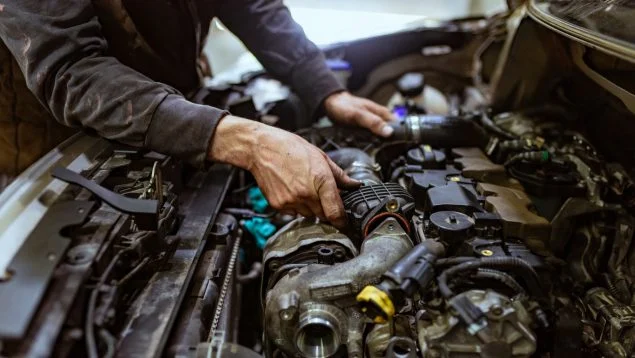
Typically, the oil cooler is placed in a well-ventilated area—next to the main radiator or even integrated into it. In cars with powerful engines, this component is often installed behind the front grille for maximum airflow to cool the oil efficiently. In some models, the cooler is connected to the cooling system, using antifreeze to remove heat.
If the oil cooler fails, driving becomes dangerous. Overheated oil loses viscosity, may mix with coolant, and the engine risks serious damage. Drivers may notice signs like oil spots under the car, suspicious emulsion in the expansion tank, engine overheating, smoke from the exhaust, unexplained drops in oil or coolant levels, loss of oil pressure, dashboard warning lights, and the smell of burnt oil.
If these symptoms appear, it is recommended to stop driving immediately and go to a mechanic. Continuing to drive with a faulty oil cooler is highly discouraged—it can lead to major engine repairs. In Spain, replacing an oil cooler for a regular car usually costs from 150 to 300 euros, while for premium vehicles it’s 300 to 500 euros, including parts and labor.
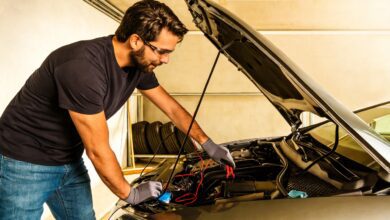
Replacing the oil cooler yourself requires specific skills and tools. Allow the engine to cool completely, disconnect the battery, drain the oil and coolant, remove protective covers, and disconnect all connections. After installing the new cooler, it’s important to carefully check the system for leaks and ensure it’s properly sealed.
Regular maintenance and timely diagnostics help prevent serious issues with the oil cooling system. Paying close attention to your car’s condition extends engine life and helps you avoid unnecessary repair costs.