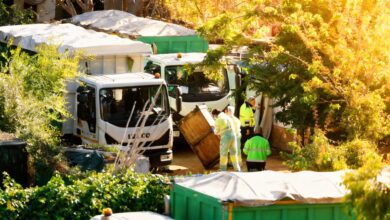
Heavy rains that hit the province of Granada have once again highlighted the fragility of safety in small Andalusian towns. The aftermath of the weather was strongly felt by residents of Iznalloz and Pinos Genil: four people were forced to leave their homes after partial building collapses. Such incidents underscore the importance of timely responses to weather threats and the need to strengthen infrastructure in regions prone to natural disasters.
In the evening, Iznalloz (Iznalloz) experienced a landslide that literally shifted part of a hillside and destroyed the kitchen of one house on Granada street. Two residents found themselves trapped in dangerous conditions but were quickly evacuated by rescue teams and medics. The house was immediately cordoned off so that specialists could assess the extent of the damage and the risks to nearby buildings. Local authorities acted swiftly to prevent further casualties.
On the same day in Pinos Genil (Pinos Genil), the situation unfolded no less dramatically. Around seven in the evening on Abajo street (Abajo), rocks tumbled down the mountain after prolonged rains and crashed into two houses. Police promptly evacuated the two residents living in those buildings. The people were led to safety, and the houses were temporarily declared uninhabitable.
Emergency response
Emergency services operated under heightened risk. At night, rescuers and medical personnel coordinated their actions to prevent further incidents. In both cases, the houses were isolated and access was restricted until a technical inspection could be carried out. Municipal engineers began assessing the condition of the buildings and the surrounding area to determine the next steps for restoration and safety.
Residents of neighboring houses closely followed developments, fearing a repeat of such incidents. Authorities advised people to remain cautious and be prepared for potential evacuation should weather conditions worsen. The region remains on high alert due to unstable meteorological conditions.
Impact on the region
Natural disasters of this scale present a serious challenge for small towns in Andalusia. Forced evacuation and the destruction of homes result not only in material losses but also in psychological stress for local residents. Authorities emphasize the need to invest in slope reinforcement and upgrades to drainage systems to minimize the effects of future downpours.
In recent years, such incidents have become more frequent, linked to climate change and the rise in extreme weather events. Local administrations are having to revise their emergency response plans and step up oversight of infrastructure conditions.
Context and parallels
Reflecting on recent events, it is worth noting that in 2025, similar landslides and house collapses were recorded in the provinces of Málaga and Almería. Dozens of residents were evacuated then as well, and infrastructure restoration took several months. In 2024, Galicia experienced widespread landslides after heavy rains, temporarily isolating several villages. Such incidents highlight the need for continuous slope monitoring and timely public risk notification. Authorities across various regions of Spain continue seeking ways to improve resilience to natural disasters in order to minimize damage and protect lives.