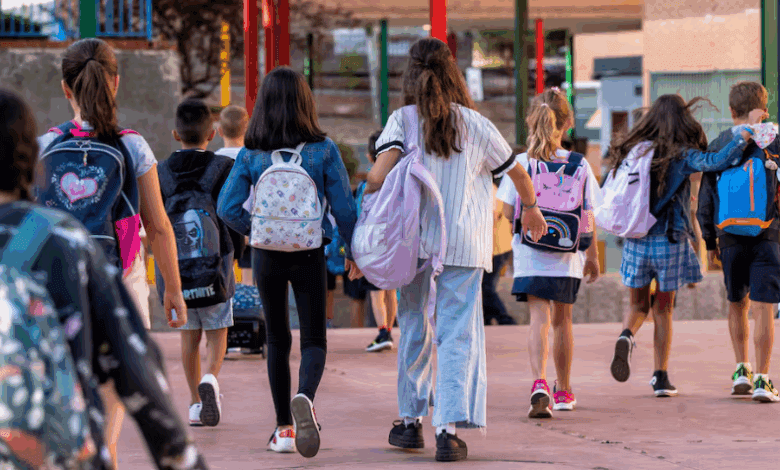
Madrid is traditionally seen as one of Spain’s most prosperous regions, but behind its economic success lies a troubling reality. In 2024, the proportion of the capital’s residents at risk of poverty rose to 20.9%. The problem is especially acute among children and teenagers under 16, with the number reaching 24% of that age group—almost one in four minors.
The total number of people living in material deprivation exceeded 1.4 million. Over the year, this figure increased by 7.7%, highlighting a widening gap between rich and poor. In absolute numbers, this affects 322,000 children whose childhood unfolds with a lack of basic necessities. Nearly 55,000 new cases were added to this statistic over the past year.
The poverty rate is calculated using the European methodology, which considers not only income but also access to housing, food, and basic services. For a family of four in Spain, the poverty line in 2024 was set at 2,027 euros per month, and for a single adult—965 euros. If a household’s income falls below 40% of this threshold, it is considered extreme poverty. In Madrid, state and regional benefits do not even cover this minimum, effectively locking thousands of families into hardship.
Paradoxically, the region with the highest average salary in the country and the largest contribution to Spain’s GDP spends the least on social support. The regional authorities lose billions of euros annually due to tax breaks and deductions, which particularly impact low-income groups. As a result, despite impressive economic indicators, the number of people living below the poverty line continues to grow.
There is particular concern over the rise in child poverty. In the past three years, the share of minors living in hardship has risen by nearly 8%. This not only worsens children’s quality of life, but also negatively affects their future, limiting access to education, healthcare, and proper development. Experts note that the problem is closely linked to labor market instability and low family incomes among those with children.
While poverty levels are dropping on average across the country, the situation in Madrid is moving in the opposite direction. Regional authorities are facing criticism over insufficient transparency and delays in publishing statistics, which hampers efforts to assess the scale of the problem and find effective solutions. Public anxiety is growing: if urgent action is not taken, social inequality in the Spanish capital could become entrenched.