Fatal railway accidents have once again raised concerns about the safety of Spain’s transport system. The consequences of these tragedies are felt not only by the families of the victims but also on the country’s political stage. The government’s actions have come under sharp criticism from the opposition for a lack of responsibility and transparency.
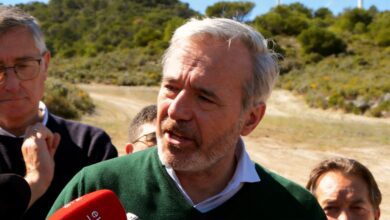
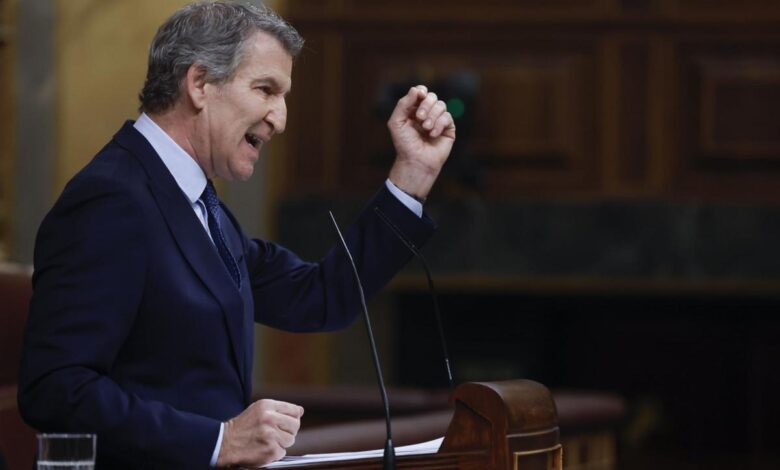
In Congress, the leader of the Partido Popular, Alberto Núñez Feijóo, delivered harsh accusations against Prime Minister Pedro Sánchez and Transport Minister Óscar Puente. According to Feijóo, the tragedies could have been avoided if the authorities had paid more attention to real problems within the railway infrastructure instead of engaging in self-promotion.
Accusations and demands
Feijóo did not hold back, declaring that the government is ‘playing Russian roulette’ with the safety of citizens. He noted that even after the deaths of 47 people on the railway, the transport minister continued to claim that Spanish trains are experiencing their ‘best moment in history.’ According to the opposition leader, such statements seem cynical against the backdrop of numerous speed restrictions introduced on the AVE line after the tragedy.
The Partido Popular leader pointed out that there were no such restrictions before the accidents, but now their number has reached a thousand. He called it ‘sarcasm’ and accused the government of trying to avoid responsibility by blaming external factors—from weather conditions to technical failures.
During his speech, Feijóo also addressed the issue of public trust in the authorities, recalling the results of recent elections in Aragón and Extremadura. According to him, voters no longer believe the government’s promises, and attempts to explain tragedies as coincidences or the result of external factors do not resonate with society.
Political consequences
Feijóo paid particular attention to the accident in Adamuz, calling it not only a tragedy but also a result of systemic leadership failures in the country. He accused Sánchez and Puente of endangering passengers’ lives and stated that both should resign. In the opposition’s view, the government must be held accountable for the decisions and actions that led to the disaster.
In his speech, Feijóo noted that while the families of the victims mourned, the Minister of Transport continued to make public statements about achievements in the railway sector. In his opinion, this demonstrates the authorities’ complete detachment from the real problems facing citizens and a lack of respect for the tragedy’s victims.
Recalling recent political events, Feijóo emphasized that society is tired of constant excuses and demands concrete measures to ensure transport safety. He expressed confidence that the government will not be able to avoid responsibility and predicted that in the future it will have to answer for its actions in court.
Reaction and public response
The scandal over railway accidents has sparked widespread public outcry. On social media and in the press, there is active discussion not only about the causes of the tragedies but also the authorities’ response. Many point out that similar situations have previously provoked political conflicts. For example, after the Adamuce disaster in 2024, a debate flared up over the personal responsibility of officials, and at that time the public recalled similar statements by Feijóo after the Alvia disaster in 2013.
This time, calls for resignation are especially loud, and political tension is only rising. The authorities are forced to respond to criticism, but the opposition continues to demand changes and a reassessment of transport policy.
Questions about service quality, technical condition of trains, and staff training standards are once again at the center of public attention. Many experts believe that without systemic reforms, it will be impossible to prevent future tragedies.
Context and similar cases
Railway accidents in Spain have repeatedly led to major political scandals. After the Alvia disaster in 2013 that claimed dozens of lives, the country launched a debate about safety and the government’s responsibility. Then, as now, the opposition demanded resignations and reforms, while the government promised to review standards and tighten oversight.
In recent years, attention to railway safety has only increased. A surge in accidents and incidents on AVE lines and regional routes has forced authorities to introduce additional speed restrictions and strengthen technical inspections of trains. Despite these measures, tragedies continue to occur, and public confidence in the system remains undermined.
Debate over the role of politicians and officials in preventing such disasters shows no sign of stopping. Each new incident becomes a reason to review transport policy and demands more decisive action from the authorities. The question of who is responsible for citizens’ safety remains open to this day.