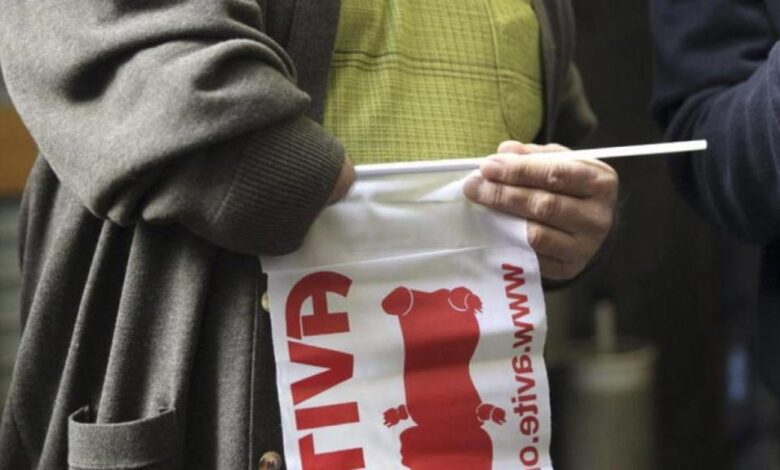
The AVITE scandal has affected hundreds of Spanish families who received government compensation for thalidomide-related harm. For the first time in many years, a sharp conflict has erupted within the country’s largest victims’ association: the lawyer representing the victims is demanding that 15 members of the organization pay him 10% of the compensation they received. This situation has not only divided the community but also cast doubt on confidence in the support system for the victims.
The sums in question are substantial: the government allocated about 750,000 euros for each victim. Most AVITE members have already paid the agreed percentage to the lawyer, but some people categorically refuse to do so. They claim their compensation was received not through the lawyer’s work, but as a result of political decisions and legislative changes.
Legal actions
The lawyer has sued 15 people, demanding a total of around 1.5 million euros. In one of the lawsuits, there is an amount of almost 110,000 euros that one of the association’s members is supposed to pay. She insists that the money was granted to her under a law enacted in 2016 and a subsequent decree, not as a result of the lawyer’s efforts.
A true war of words has erupted within AVITE. Some believe the lawyer deserves compensation for years of work, while others view his demands as unfounded. The organization’s vice president claims the lawyer worked for free for 15 years and accuses opponents of refusing to fulfill their obligations. At the same time, some association members are convinced their duty is solely to the state, not to the lawyer.
Reasons for disagreement
The roots of the conflict go back decades. Thalidomide was a medication prescribed to pregnant women for nausea relief for many years. As a result, thousands of children in Spain and other countries were born with severe birth defects. In Spain, the drug remained on the market longer than elsewhere, and only years later did victims begin to receive compensation.
In 2022, AVITE lost a major lawsuit against the state, seeking 400 million euros. The organization was ordered to cover court costs. This defeat became one of the factors fueling tension between association members and their representative. Now the dispute is about more than money—issues of justice, trust, and the lawyer’s role in the victims’ fight have come to the fore.
Consequences for the community
The internal conflict in AVITE could impact the entire organization’s future. The split between those supporting the lawyer and those who see his claims as excessive has already led to public accusations and legal action. For many victims, this is more than an argument over percentages—it’s about principle and personal dignity.
The legal proceedings are ongoing, and their outcome could set a precedent for similar cases in Spain. The question of who is entitled to a share of the compensation and under what conditions remains unresolved. Meanwhile, public attention is focused on AVITE, where for the first time in many years such a sharp internal conflict has erupted.
Context and Similar Cases
In recent years, Spain has faced several high-profile disputes over the allocation of compensation to victims of medical errors and pharmaceutical scandals. In 2024, a similar situation arose among victims of hepatitis C infection, when some patients contested the amount of legal fees charged by lawyers. In 2025, discussions centered on the fairness of payouts to those affected by faulty prostheses, again sparking disputes between attorneys and patients. These cases demonstrate that ensuring transparency and fairness in compensation distribution remains an urgent issue in Spanish society, requiring new solutions.