The decision by Partido Popular (PP) leader Alberto Núñez Feijóo to include Vox representatives in regional governments has come as an unexpected twist for Spain’s political landscape. This move could shift the balance of power in the autonomous communities and affect the future of coalitions, as well as the stability of governance in key regions. For many Spaniards, such steps mean not only new political alliances but also potential changes in local administration.
As Vox significantly increased its presence in regional parliaments, especially following the elections in Aragón, the need for compromise has become clear. The PP found itself facing a choice: either make concessions and share responsibility for governance, or risk repeat elections and a loss of influence in strategically important regions. Feijóo’s decision opens the door to new forms of cooperation, but also brings risks for both parties.
Political Alliances
Vox joining the executive bodies of the autonomous regions could lead to a redistribution of powers and responsibilities between the parties. For the PP, this offers a chance to share not only their successes but also any possible missteps in governance with their partners. Vox, for its part, gains the opportunity to influence decision-making and show voters its effectiveness in action. However, such alliances are often accompanied by internal conflicts and disagreements on key issues.
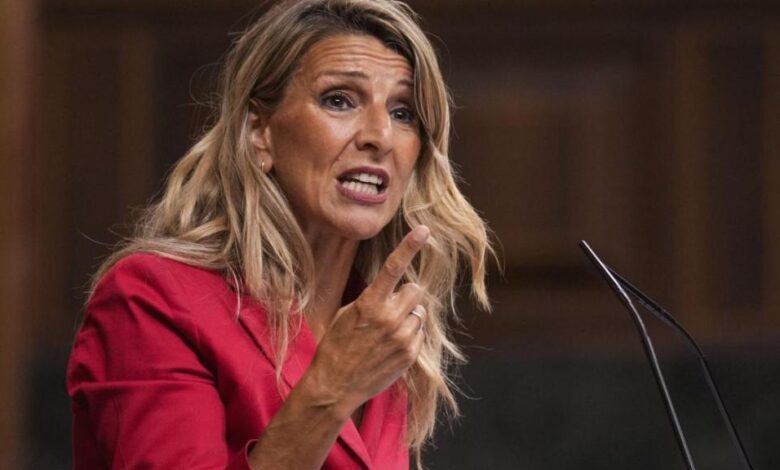
At the same time, new political blocs are continuing to form at the national level. The parties making up Sumar have announced the creation of a broad coalition to participate in the upcoming general elections. The alliance includes Más Madrid, Izquierda Unida, los Comunes, and Movimiento Sumar. Deputy Prime Minister and Minister of Labor Yolanda Díaz emphasized that uniting is necessary to counter an ‘unprecedented democratic threat.’
Reaction and consequences
Feijóo’s decision has already provoked a strong response from politicians and experts. Some believe this will allow the PP to retain control over the regions and avoid a political crisis. Others warn of potential risks: strengthening Vox’s position could radicalize local policies and complicate relations with other parties. Within the PP itself, not everyone supports this move, fearing a loss of independence and reputational damage.
Meanwhile, other high-profile events continue to be discussed in Spain. In particular, attention has focused on hearings in the case of former senior officials from Madrid accused of misconduct in managing nursing homes during the pandemic. In addition, the public is actively debating the release from prison of former ETA leader Garikoitz Aspiazu Rubina, known as Txeroki, which has once again sparked questions about the judicial system and policies regarding former members of terrorist organizations.
Context and new challenges
The inclusion of Vox in regional governments could set a precedent for other autonomous communities where the balance of power remains unstable. Such decisions have already changed the political landscape in the past, with parties forced into unexpected alliances to maintain control. In the coming months, Spain may face new rounds of negotiations and revisions of coalition agreements.
Against this backdrop, competition between left and right blocs is intensifying. The formation of new alliances, both at the regional and national level, is becoming a key tool for achieving political objectives. Amid growing polarization in society, every decision made by party leaders gains special significance and can impact the country’s future.
In recent years, Spain has repeatedly faced situations where parties had to make compromises to form stable governments. After elections in Madrid and Catalonia, there were frequent difficulties in creating coalitions, leading to lengthy negotiations and periods of governmental paralysis. In some cases, this stirred voter dissatisfaction and strengthened the position of radical forces. Similar processes have been observed in other European countries, where the rise of new parties has shifted the established political balance. In Spain, such changes have often been accompanied by heated debates and protests, as well as a reassessment of strategies by major political players.