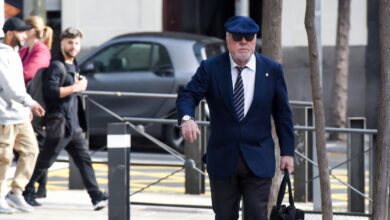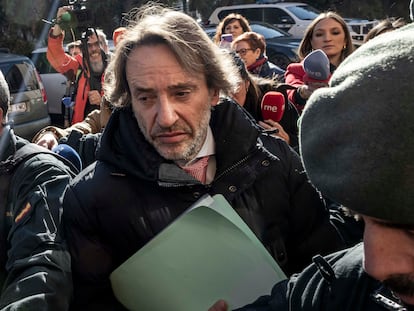
A high-profile investigation in Valencia has once again raised questions about the actions of the regional leadership during a critical moment. In October 2024, when flooding claimed the lives of 230 people, it was revealed that former president of the Generalitat Carlos Mazón declined security escort just minutes before an important meeting. This decision is now considered one of the key episodes in the legal proceedings that could shape public perception of government accountability in Spain.
According to ElPais, on October 29, 2024, while Valencia was being battered by the disaster, Mazón canceled his security service ten minutes before a lunch with journalist Maribel Vilaplana at the El Ventorro restaurant. The document confirming this decision has been included in the case files overseen by Judge Nuria Ruiz Tobarra from Catarroja. It records a call from a security officer who notified his superior about Mazón’s choice to continue without an escort. The call lasted just over a minute and a half and was logged at 14:50.
Details of the meeting and the course of the investigation
Just ten minutes after this call, Mazón and Vilaplana began their lunch, which lasted almost four hours—from 15:00 to 18:45. At the same time, the region was experiencing the most dramatic events: at 16:50, the barranco del Poyo overflowed, marking the start of a large-scale tragedy for the municipalities of Chiva and Cheste. Notably, before entering the restaurant, Mazón was already aware of the difficult situation in Utiel—as evidenced by messages sent by then justice and interior advisor Salomé Pradas to her colleague José Manuel Cuenca.
Despite a stream of alarming news and a red alert from Aemet declared that morning, Mazón did not change his schedule or cancel his meeting. This fact has drawn particular attention from investigators. The judge requested a recording of the conversation between the police officer and his chief on February 10, after three of Mazón’s bodyguards gave their testimonies. They confirmed that the ex-president sent them home so he could have lunch without witnesses. One of the agents noted that he did not know who Mazón was dining with and that similar requests had occurred previously. As a result, on the day of the disaster, no one from his circle was aware of who he was spending time with.
Discrepancies in official accounts
The testimonies of the security guards became a turning point in the investigation. They refuted claims that Mazón had been working in his office from 5:00 pm and coordinating the response to the disaster. According to them, he returned to the government building only at 7:50 pm, not earlier as party and regional administration representatives had stated. This cast doubt on the official version, which maintained that Mazón was supposedly controlling the situation from his office and participating in the Cecopi crisis headquarters meeting in L’Eliana.
The Es Alert mass notification, which was supposed to warn the public, was sent only at 8:11 pm, when most of the victims could no longer be saved. Mazón arrived at Cecopi 17 minutes after the message was issued. Investigators believe that had the alert been issued earlier, there could have been fewer casualties. The judge is still clarifying Mazón’s whereabouts during those critical hours and has already summoned his driver and the advisor who accompanied him to Cecopi for questioning. However, considering his status as a parliamentarian, only the High Court of Valencia can bring charges against him.
Context and public reaction
The scandal surrounding the authorities’ actions on the day of the tragedy shows no signs of abating. New details are emerging, raising questions among residents of the region and the entire country. Notably, similar situations have already become the subject of public debate. For example, previously a heated discussion erupted about the reasons for the alert delay and disputes over officials’ decisions, which only deepened the distrust of official statements.
According to ElPais, the investigation is ongoing and new testimonies may shed light on the actions of the leadership during Valencia’s most critical moment. Judge Ruiz Tobarra has focused on details that previously remained in the shadows, and now these nuances may play a decisive role in the outcome of the case.
In recent years, Spain has faced several major natural disasters that have sparked debate over the authorities’ response. In 2022, flooding in Murcia also resulted in numerous casualties and criticism of local officials for their slow reaction. In 2023, delays in alerting the public during heavy rains in Catalonia were widely discussed. Each of these incidents raises questions about the preparedness of emergency services and the transparency of management decisions. Public attention to the investigations of such tragedies remains high, and court rulings often prompt new reforms.