In recent years, Japanese microcars known as keycars have become a true phenomenon in the country’s domestic market. These tiny vehicles, characterized by their compact size and affordable price, have long won the hearts of millions of Japanese drivers. Now, the possibility of their arrival on European roads is being discussed—a move that could spark a revolution in the continent’s traditional vehicle lineup.
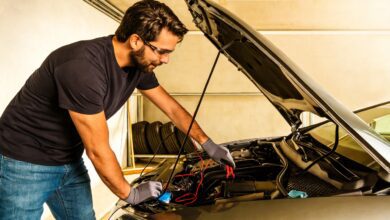
Engineer and Easygas company head Joseba Barrenengoa has shared his views on the prospects for these vehicles in Europe. According to him, keycars are not just another new car on the market, but rather a whole philosophy of affordability and practicality that could be a lifeline for families on a tight budget.
What are keycars and why are they so popular in Japan
Keycars are vehicles less than 3.4 meters long, with up to 60 horsepower, and costing no more than 6,000 euros. In Japan, these cars make up about 70% of the entire car fleet. The reason for their popularity is simple: they are economical, convenient for city driving, and require little maintenance.
In densely built-up cities with high parking costs, the Japanese have long appreciated the advantages of compact cars. Additionally, the government supports keycar owners with tax breaks and lower registration fees, making these vehicles especially attractive to young families and people with modest incomes.
Opportunities and obstacles for the introduction of keycars in Europe
Despite clear advantages, the introduction of keycars in Europe faces several challenges. Barrenechea notes that the production cost of such cars in EU countries is significantly higher than in Japan. Even if the price can be kept at €10,000, for European manufacturers it would be almost unprofitable without government support.
There are no equivalents of such affordable cars in Europe, and automakers are unwilling to operate at a loss. The only solution may be a system of subsidies and targeted programs to lower the price for end consumers. However, so far these initiatives are only being discussed as concepts.
Keycars as an opportunity for low-income families
The availability of keycars could be a real lifeline for families who cannot afford to buy a new car at European prices. These mini-cars are designed for 4-5 people, take up minimal space, and are almost exempt from registration taxes.
Barrenechea is confident that with government support, such vehicles could become widespread in Spain and other EU countries. For many families, this would be a genuine opportunity to own personal transport without going into debt or overpaying for unnecessary features.
Social and cultural barriers facing keycars
However, not only economic but also cultural factors can hinder the spread of keycars in Europe. In EU countries, cars are often seen as a status symbol, and many consumers prefer larger, more prestigious models.
The expert notes that changing public opinion is a gradual process. Nevertheless, rising fuel prices, taxes, and maintenance costs may force Europeans to rethink their views on personal transportation. In times of economic instability, compact and affordable cars could become a new trend.
The future of keycars in Europe: expectations and prospects
It is still hard to say exactly when keycars will appear on European roads. Barrenenegoa believes much depends on political will and the authorities’ readiness to support both manufacturers and buyers. If the government introduces subsidies and tax breaks, mini-cars could carve out their own niche in the market.
Otherwise, keycars will remain a rarity, available only in Asian markets. Nevertheless, interest is growing not only among car enthusiasts but also among urban transport experts, who see these vehicles as a solution to several problems at once: from road congestion to reducing CO2 emissions.
In case you didn’t know, Easygas, led by Joseba Barrenechea, specializes in innovative solutions for the automotive sector and the development of infrastructure for alternative fuels. Barrenechea is known as a promoter of new technologies and a respected expert in Spain’s automotive industry. His videos and publications are regularly discussed within the professional community and among a broad audience of car enthusiasts.