Spanish society once again finds itself at the center of a debate about the limits of journalistic responsibility following the awarding of the 5th Manuel Chaves Nogales International Prize. At a time when trust in the media is under constant strain and disinformation and manipulation have become part of daily life, the value of honest and in-depth reporting is more important than ever. That is why the events surrounding this award have sparked such a strong reaction among professionals and the general public.
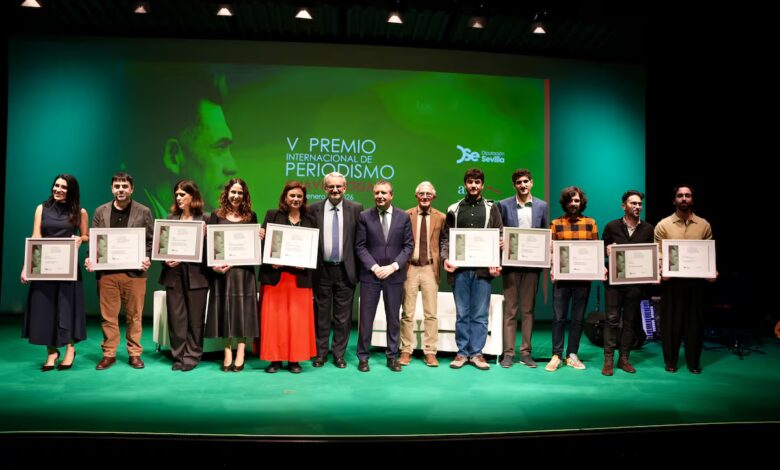
Established by the Seville Press Association with support from local authorities, the award this year recognized five works that, according to the jury, not only uphold the truth but also display a rare empathy toward their subjects. The spotlight was on reports that not only inform but also provoke reflection on the complexities of today’s world. However, there was criticism as well: some ceremony participants openly highlighted the issue of disinformation and called for greater accountability from government bodies.
Voices and stories
Among the highlighted works is “La libreta siria” (Agus Morales), which reveals the tragedy of Bashar al-Assad’s regime collapse through the stories of ordinary Syrians. Photographer Mathias Rodriguez presented a photo series capturing the aftermath of the devastating flood in Valencia, while Sara Mosleh and David Sieira, in their report “El otro frente: Cisjordania”, portrayed the conflict over land in the West Bank through the perspectives of both sides. The podcast “Escoltas: la sombra que me protegía de ETA” was given special attention, featuring, for the first time, the voices of those who had long remained silent about their lives following the disappearance of the terrorist organization.
The topic of consumption also drew notice: journalists Ana Carbajosa, Beatriz Lecumberri, and Patricia R. Blanco, in their piece “¿A dónde va el pantalón que tiramos a un contenedor de ropa usada?”, traced the path of discarded clothing and raised questions about the fashion industry’s impact on the Global South. What unites all these works is not only attention to detail, but a shared goal to give a voice to those who are usually left behind the scenes.
Criticism and challenges
The ceremonial event at the Caixa Forum theater in Seville became a platform for discussing pressing issues. There were calls to combat the normalization of lies and manipulation, as well as to tighten control over the spread of misinformation. President of the Diputación de Sevilla, Javier Fernández de los Ríos, emphasized that amid a growingly complex social structure, only independent and critical journalism can counteract the fragmentation of society.
At the same time, the head of the Seville Press Association expressed disappointment over the existence of media outlets that deliberately distort facts for the sake of sensationalism. According to him, such publications erode trust and undermine the foundations of public consensus. In contrast, the Chaves Nogales award has become a symbol of journalism focused on seeking the truth and defending human dignity.
Memory and Recognition
A special moment in the ceremony was dedicated to remembering the victims of the railway tragedy in Adamuz. Among those who lost their lives were photojournalist María Clauss, reporter Óscar Toro, and train driver Fernando Huerta. Their names were spoken in the hall as a reminder of the risks faced by members of the profession and the price that sometimes must be paid in the pursuit of truth.
Manuel Chaves Nogales’s grandson, Anthony Jones, reminded the audience of the core principle that always defined his grandfather’s work: journalism should not only inform, but also make people reflect, not shy away from difficult topics, and stand with those whose voices are rarely heard. This very approach, according to the organizers, became the main criterion for this year’s award winners.
A Test for the Profession
The Chaves Nogales Prize ceremony in 2026 was more than just a professional event—it became a catalyst for a broad discussion about the future of Spanish journalism. At a time when society increasingly faces manipulation and pressure, examples of honest, in-depth reporting are especially valuable. It’s no surprise that the event sparked wide public interest and served as a starting point for new debates on the role of media in contemporary Spain.